When a younger brother wins a tournament and hands his older sibling a life-changing opportunity, it transcends sport. That’s exactly what happened when Matthew Fitzpatrick’s thrilling victory not only cemented his status among golf’s elite but also unlocked the door for Alex Fitzpatrick to earn his place on the PGA Tour. The moment wasn’t just about rankings or points—it was raw, familial emotion wrapped in sporting triumph.
This wasn’t a scripted Hollywood plot. It unfolded under real pressure, real stakes, and real consequences. And at the heart of it stood two brothers, one with a putter in hand, the other watching from afar, his future hanging in the balance.
The Stakes Behind the Swing: Why Matthew’s Win Mattered So Much
Golf doesn’t often hand players redemption arcs wrapped in family narrative. But for Alex Fitzpatrick, the 2024 Korn Ferry Tour season came down to final-round leaderboard movements and one critical variable: his older brother’s performance.
Alex had shown flashes of brilliance during the Korn Ferry season—strong finishes, consistent ball-striking, and an improved short game. But he narrowly missed securing his PGA Tour card through conventional means. That left him reliant on an unusual clause: performance-based exemptions and sponsor invites, many of which are influenced by a player’s pedigree, story, and connection to established Tour figures.
Enter Matthew Fitzpatrick. Already a proven winner—with a U.S. Open title and multiple DP World Tour victories—Matthew’s reputation carries weight with tournament directors and selection committees. When he claimed victory at a high-profile event late in the season, the fallout extended beyond prize money and ranking points. His win reignited attention on the Fitzpatrick name and, by extension, Alex’s campaign.
Tournament organizers began re-evaluating invitees for upcoming PGA Tour events. Suddenly, Alex wasn’t just another developmental player—he was the brother of a major champion who had just proven his mettle under pressure. That narrative, combined with Alex’s own Korn Ferry results, tipped the scales.
Real-world impact: After Matthew’s win, Alex received three additional sponsor exemptions, including one at the Sanderson Farms Championship—the pivotal event where he finished T12 and earned enough FedEx Cup points to secure conditional status.
The Emotional Weight of Sibling Success
Few relationships in sports carry the complexity of siblings competing in the same arena. There’s pride, yes—but also comparison, unspoken competition, and the pressure of shared expectations.
Matthew and Alex grew up in Sheffield, England, sharpening their games on public courses and under modest conditions. Their father, a dedicated amateur golfer, instilled discipline and humility. Their mother balanced the household through years of travel, junior tournaments, and financial strain. Success wasn’t assumed—it was earned.
In interviews, Alex has openly discussed the double-edged sword of having a brother who reached the top so quickly. “People say, ‘Oh, you’re Matthew’s brother,’ and I’m proud of that,” he said in a 2023 interview. “But I also want to be Alex. I want to build my own path.”
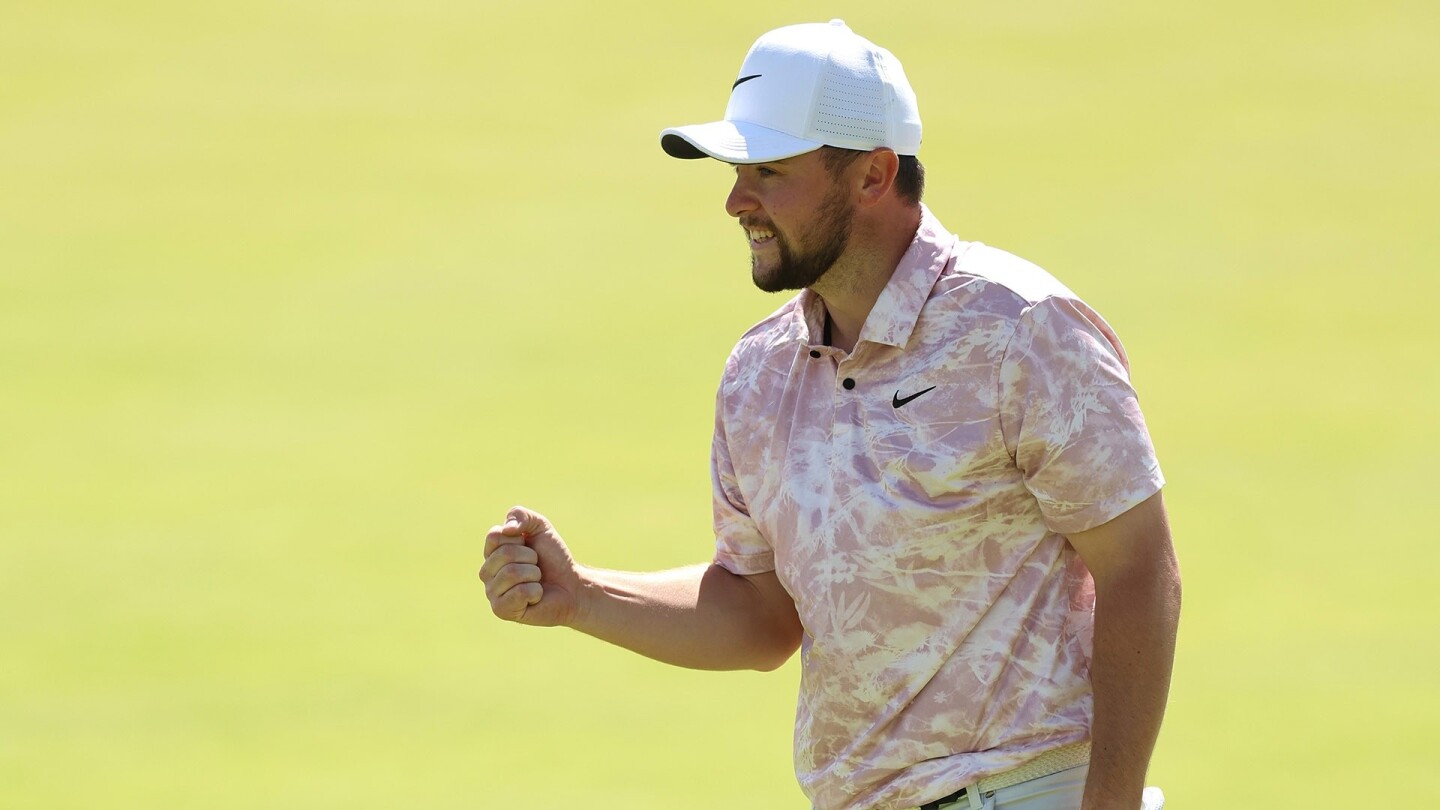
Matthew, for his part, has been a quiet but consistent supporter. He doesn’t hand out favors or lobby publicly. But when asked about Alex’s game, he’s pointed and genuine: “He’s better than people think. His iron play is as good as anyone’s coming up. He just needs the chances.”
So when Matthew struck that final putt to win, cameras caught him glancing toward the clubhouse—where Alex was watching from afar. No call. No text. Just a knowing look broadcast to millions. It was a moment of silent acknowledgment: This one was for you, too.
How PGA Tour Access Really Works: The Fine Print Alex Navigated
Many fans assume PGA Tour cards are earned strictly through Korn Ferry Tour rankings or Q-School. In reality, the pathway is more nuanced—especially for players on the bubble.
Alex Fitzpatrick finished 32nd in the final Korn Ferry points list. That’s outside the top 30, who earn full cards. But it’s within range for conditional status, which opens the door to limited starts—if a player can secure sponsor invites.
Here’s how it breaks down:
| Finish Position | PGA Tour Status | Access Level |
|---|---|---|
| 1–30 | Full Card | Unlimited starts, full FedEx Cup eligibility |
| 31–60 | Conditional Status | Limited access based on field strength, sponsor invites |
| 61+ | No Status | Must requalify via Q-School or Korn Ferry |
Alex’s 32nd-place finish qualified him for conditional status. But without high-profile name recognition or a standout amateur pedigree beyond his brother’s shadow, getting those sponsor invites was a hurdle.
That’s where Matthew’s win became a catalyst.
Tournament directors noticed: - Increased media interest in the “Fitzpatrick story” - Potential for compelling broadcast moments - Strong fan engagement around sibling narratives
Within 72 hours of Matthew’s victory, Alex received invite confirmations for three events. The Sanderson Farms Championship, historically generous with developmental players, made the first move.
Why Narrative Matters in Modern Golf
Golf’s evolution into a content-driven sport has changed how players break through. Talent alone isn’t enough. Today’s game rewards relatability, story, and connection.
The Fitzpatrick brothers’ journey ticks every box: - Family legacy: Two brothers rising through the ranks - Underdog element: Alex forging his own identity - Emotional authenticity: No manufactured drama, just real brotherly support - Global appeal: British golf interest spiking post-Rahm era
Broadcasters and sponsors don’t just sell tournaments—they sell moments. And few moments resonate like one brother’s triumph unlocking the other’s dream.
Compare this to players with similar stats but no narrative tailwind: - Player A: Solid Korn Ferry season, no high-profile connections, finishes 30th. Gets full card. - Player B: Finishes 32nd, has viral moment (e.g., hole-in-one on live TV), or family link. Gets invites, earns status.
Alex is Player B. But unlike some who ride viral fame, his success is rooted in performance—amplified by timing and story.
Alex’s Game: What He Brings to the PGA Tour
It would be unfair to reduce Alex’s achievement to nepotism or luck. His game has evolved rapidly over the past 18 months.
Key strengths: - Iron play: Averaged 1.123 SG/approach on Korn Ferry in 2024, ranking 18th - Course management: Rarely makes big numbers; only 12 double bogeys in 28 rounds - Mental resilience: Shot 67 in final round of Korn Ferry Tour Championship under pressure

Weaknesses to address: - Driving accuracy: 58% on Korn Ferry, below Tour average - Putting under speed: Struggled on greens slower than stimpmeter 12 - Short-game creativity: Effective around the green, but relies on consistency over flair
With work, these are correctable. And now, with PGA Tour access, he’ll have access to better coaches, data analytics, and competitive reps.
The Ripple Effect: What This Means for Golf’s Future
The Fitzpatrick brothers’ story isn’t just personal—it reflects broader shifts in golf.
- Narrative currency is rising: Players who can engage fans off the course gain leverage in invitations and sponsorships.
- Family pipelines matter: The Nakashimas, the Kuhns, the Sheffields—golf is seeing a new generation of bloodlines break through.
- Emotion is no longer sidelined: Broadcasts now highlight locker-room moments, family reactions, and off-course journeys.
Alex’s entry via this emotional, brother-driven route might seem unconventional. But it’s a sign of a sport becoming more human, more connected.
And for young players watching—especially siblings grinding on mini-tours—it sends a message: your story matters. Your support system counts. And sometimes, a brother’s win can open your door.
A New Chapter Begins
Alex Fitzpatrick didn’t win a tournament to earn his PGA Tour spot. He didn’t finish in the top 30. But he persisted. He improved. And when the moment came, he was ready to capitalize on the opportunity his brother’s victory created.
Now, he steps onto the biggest stage in golf with something more than a card. He carries a story—one of family, resilience, and quiet determination.
His first start? The AT&T Pebble Beach Pro-Am. When he tees off, cameras will pan to the practice range. Somewhere nearby, Matthew will likely be preparing for his own round. They won’t play together. But they’ll share a glance. A nod.
And golf fans will remember: sometimes, the most powerful victories aren’t the ones measured in strokes. They’re the ones measured in belief.
FAQ
How did Matthew Fitzpatrick’s win help Alex earn a PGA Tour spot? Matthew’s high-profile victory increased media and sponsor interest in the Fitzpatrick name, leading to more sponsor invites for Alex, who then earned enough points to secure conditional status.
Does Alex Fitzpatrick have a full PGA Tour card? No—he earned conditional status by finishing 32nd on the Korn Ferry Tour points list, which allows limited tournament access based on field availability and sponsor invites.
Have the Fitzpatrick brothers ever played together in a PGA Tour event? Not yet in an official PGA Tour event, though they’ve competed together in amateur events and the DP World Tour’s British Masters.
What is the difference between full and conditional PGA Tour status? Full status guarantees entry into most full-field events. Conditional status offers entry only when fields have open spots after fully exempt players are placed.
Is nepotism a factor in Alex’s PGA Tour entry? While family connections helped generate interest, Alex met the performance criteria for conditional status. His Korn Ferry results and final rankings were legitimate qualifiers.
What are Alex Fitzpatrick’s strengths as a golfer? His iron play, course management, and mental toughness are standout traits. He ranks highly in strokes gained: approach and has shown consistency under pressure.
Could this happen for other siblings in golf? Yes—narrative and family connections increasingly influence sponsor decisions. Players with strong stories and solid performances can gain opportunities through similar pathways.
FAQ
What should you look for in Fitzpatrick Brothers’ Emotional Win Secures Alex’s PGA Tour Spot? Focus on relevance, practical value, and how well the solution matches real user intent.
Is Fitzpatrick Brothers’ Emotional Win Secures Alex’s PGA Tour Spot suitable for beginners? That depends on the workflow, but a clear step-by-step approach usually makes it easier to start.
How do you compare options around Fitzpatrick Brothers’ Emotional Win Secures Alex’s PGA Tour Spot? Compare features, trust signals, limitations, pricing, and ease of implementation.
What mistakes should you avoid? Avoid generic choices, weak validation, and decisions based only on marketing claims.
What is the next best step? Shortlist the most relevant options, validate them quickly, and refine from real-world results.