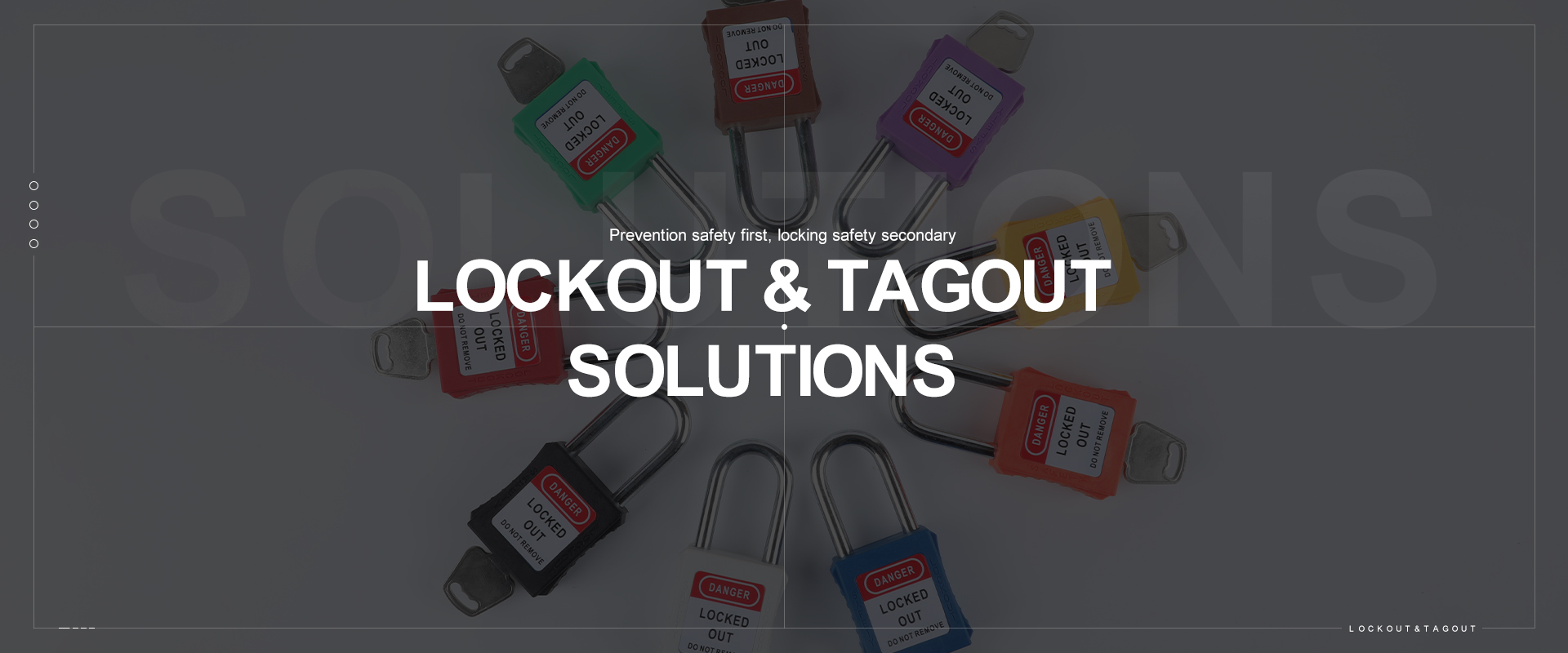
Machines don’t know when someone’s nearby. A conveyor reactivating during servicing, a press dropping unexpectedly, or a chemical line pressurizing mid-repair—these aren’t hypotheticals. They’re daily risks in manufacturing, utilities, and industrial facilities. The solution isn’t complex engineering—it’s a simple, standardized system: lockout locks and tags.
These devices are the core of Lockout/Tagout (LOTO) procedures, a method to isolate energy sources and prevent accidental startup. Despite their simplicity, misuse or omission leads to hundreds of preventable injuries and fatalities annually. Understanding how lockout locks and tags work, when to use them, and how to implement them correctly isn’t just compliance—it’s safety culture in action.
What Are Lockout Locks and Tags?
Lockout locks and tags are physical safeguards used during equipment maintenance to ensure energy sources—electrical, hydraulic, pneumatic, chemical, or thermal—remain isolated until work is complete.
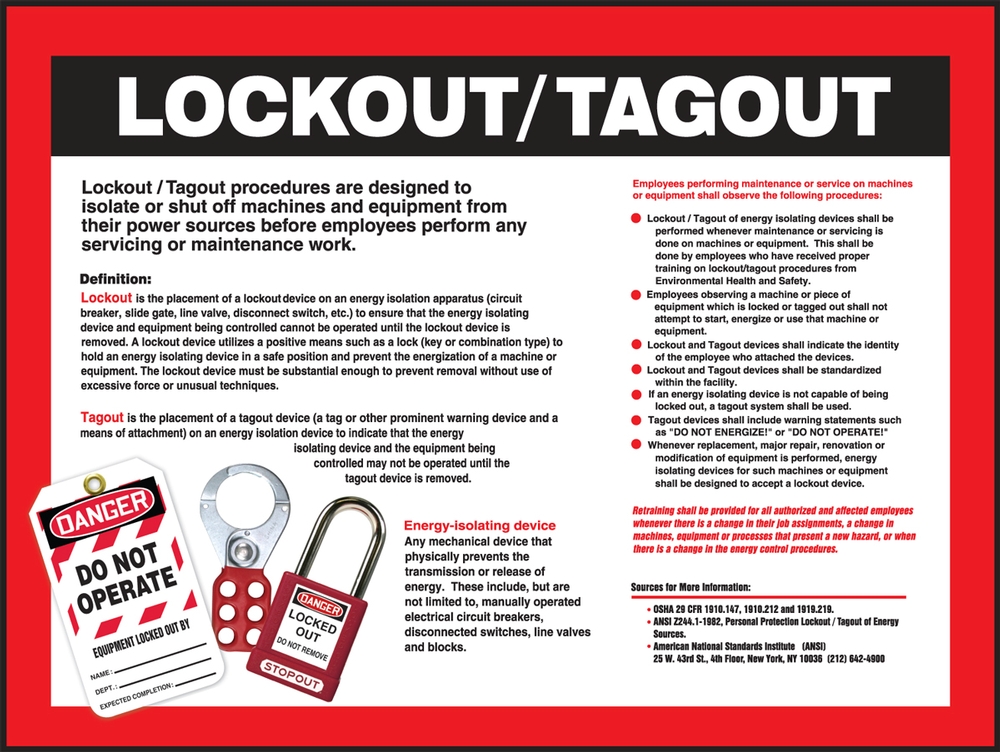
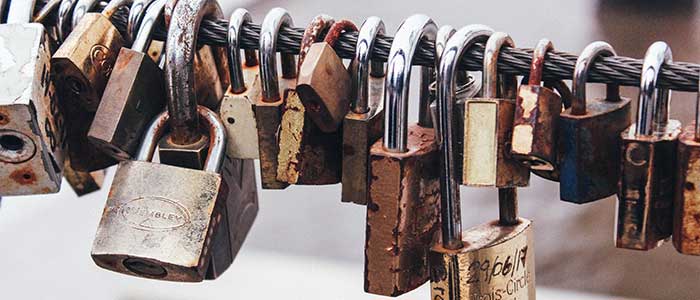
A lockout lock is a device—often a padlock, valve lock, circuit breaker lock—that physically prevents a machine from being energized. These locks are typically keyed differently or use combination mechanisms so only the authorized employee can remove them.
A tagout tag is a label attached to the lock or energy-isolating device. It includes warnings, the worker’s name, date, time, and reason for the lockout. While tags alone don’t provide physical restraint, they communicate critical information and serve as a visual alert.
Together, they form a dual-layered system: one prevents operation, the other informs everyone on-site of the hazard.
Why Both Lock and Tag Are Non-Negotiable
OSHA standard 29 CFR 1910.147 requires that both locks and tags be used unless the employer can prove the lock alone provides full employee protection. In most cases, that’s impossible. Tags add context—without them, a lock could be mistaken for maintenance, testing, or inventory control.
Example: A maintenance technician locks out a motor control panel. Without a tag, another worker might assume it’s routine and remove the lock during shift handover. With a tag listing the technician’s name, contact, and “Repair in progress—do not operate,” the risk drops dramatically.
How Lockout Procedures Work in Practice
A real-world lockout isn’t just slapping a lock on a switch. It follows a strict sequence:
- Preparation: Identify all energy sources powering the machine (main power, backup batteries, stored pressure, etc.)
- Notification: Inform affected employees that shutdown and lockout are imminent
- Shutdown: Use normal stopping procedures to turn off the machine
- Isolation: Turn off and disconnect all energy-isolating devices (breakers, valves, disconnects)
- Application of Locks and Tags: Each authorized employee applies their personal lock and tag
- Release of Stored Energy: Bleed pressure, drain fluids, block moving parts
- Verification: Attempt to restart the machine (safely) to confirm zero energy
- Restoration: After work, remove locks only by the person who applied them

This isn’t theoretical. In a food processing plant, a technician cleaning a slicing machine follows these steps. Skipping the stored energy release could mean residual spring tension activates the blade. Missing the verification step might leave live voltage on a control board. Every step matters.
Common Mistakes That Undermine LOTO
Even facilities with LOTO programs make critical errors:
- Group lockout without individual locks: One supervisor locks out for the entire crew. If multiple people are working, each must apply their own lock.
- Using master keys routinely: Keys that bypass individual locks defeat accountability. They should only be used in emergencies with strict documentation.
- Tag-only systems where locks are feasible: Tags can be removed. If a physical lock can be installed, it must be used.
- Failure to train affected employees: Operators who don’t understand LOTO may unknowingly interfere with locked equipment.
These aren’t minor oversights—they’re violations that OSHA cites regularly and that lead to severe incidents.
Types of Lockout Devices and When to Use Them
Not all locks and tags are interchangeable. The right device depends on the energy source and access point.
| Device Type | Application | Example |
|---|---|---|
| Padlock Locks | General-purpose locking of disconnects, breaker panels | Standard keyed or combination padlock, 1–2 inch shackle |
| Valve Lockouts | Prevent valve operation in pneumatic, hydraulic, or gas lines | Gate valve lock, ball valve lock with adjustable collar |
| Circuit Breaker Locks | Secure breakers in OFF position | Clip-on or wrap-around breaker lock for single or multi-pole units |
| Plug Lockouts | Prevent reinsertion of electrical cords | Outlet lock that blocks plug from being reconnected |
| Group Lockout Hasps | Allow multiple locks on a single isolation point | Steel hasp placed on a disconnect handle, each worker applies their lock |
| Tagout Tags | Communicate lockout status and responsibility | Durable, weather-resistant tag with writeable fields for name, date, reason |
Choosing the Right Lock
Material matters. Plastic locks resist corrosion in wet environments like dairies or chemical plants. Metal locks offer durability in heavy machinery areas. Shackle length must be sufficient to clear the disconnect handle but not so long it creates snag hazards.
Color coding is another layer of safety. Red locks often indicate standard shutdown. Yellow might mean caution or testing. Blue could signal contractor work. However, color alone shouldn’t replace tagging—standardization across the facility is key.
Real-World Use Cases: Where Lockout Saves Lives
Case 1: Paper Mill Roll Change
A paper machine requires replacing a damaged roller. The process involves hydraulic pressure, large drive motors, and gravity-fed components. Technicians lock out the main power disconnect, apply a group hasp, each adding their padlock. Hydraulic valves are locked in closed position, and pressure gauges confirm zero. Tags list each worker’s name and the task. Without this system, a miscommunication could lead to the roller moving during removal—crushing injuries are likely.
Case 2: HVAC Maintenance in a Hospital
An HVAC technician services a rooftop unit. The disconnect is locked out, and a plug lock prevents accidental re-energizing. A tag notes “Compressor repair—do not restore power.” Because hospitals run 24/7, shift changes are frequent. The tag ensures night staff won’t bypass the lock assuming it’s a temporary shutdown.
Case 3: Conveyor Belt Cleaning in a Warehouse

A worker clears a jam. The conveyor has multiple energy sources: main motor, gravity feed, and pneumatic gates. All are isolated. A valve lock secures the air line. The motor disconnect is padlocked. A tag explains the work and includes the employee’s extension. Without the tag, a supervisor might unlock it to “keep production moving.”
These examples aren’t outliers. They reflect daily risks in thousands of facilities.
Building an Effective Lockout Program
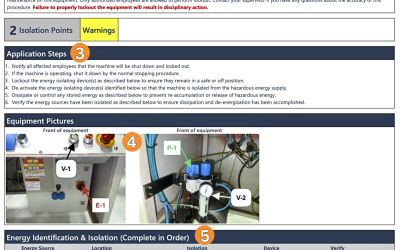
Equipment-specific procedures are the foundation. Every machine should have a written LOTO procedure detailing:
- Energy sources
- Isolation points
- Sequence for shutdown and lockout
- Verification method
- Release steps
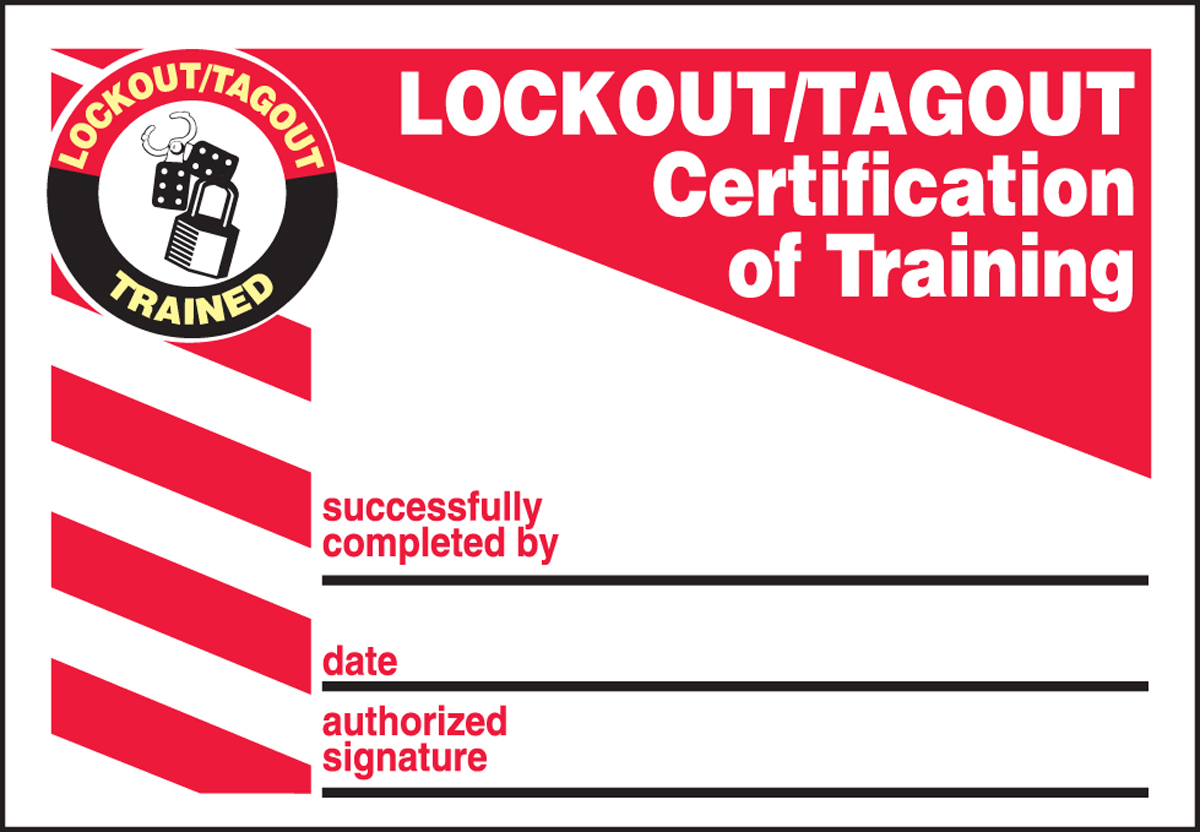
Training is equally critical. Authorized employees (those performing maintenance) need in-depth training. Affected employees (those operating equipment) need to understand LOTO’s purpose and their role in not interfering.
Audits ensure compliance. Monthly or quarterly checks should verify:
- Are locks and tags being used correctly?
- Are procedures up to date?
- Are locks in good condition?
- Are tags legible and complete?
One plant reduced LOTO violations by 78% after introducing quarterly audits and refresher training. The cost? Minimal. The payoff? Fewer near-misses and stronger safety awareness.
Top 5 Lockout Lock and Tag Systems
Not all lockout kits are created equal. Here are five proven solutions trusted in industrial environments:
- Grace Industries Pro-Lockout Kit
- - Includes 10 durable padlocks, valve locks, breaker locks, tags, and a portable storage case
- - Ideal for multi-craft teams
- - Pros: Comprehensive, high-quality materials
- - Cons: Higher price point
- Seton Heavy-Duty Lockout Station
- - Wall-mounted steel cabinet with segregated compartments
- - Holds locks, tags, hasps, and PPE
- - Pros: Organized, theft-resistant, OSHA-compliant labeling
- - Cons: Requires wall space
- Safeguard Lockout Kits (Model SGK-1)
- - Plastic lock with stainless steel shackle—ideal for corrosive environments
- - Includes universal valve and breaker adapters
- - Pros: Corrosion-resistant, lightweight
- - Cons: Limited shackle thickness
- Jonard Tools LO-10 Master Kit
- - Budget-friendly with 10 vinyl-coated locks, tags, and basic lockouts
- - Good for small operations or startups
- - Pros: Affordable, portable
- - Cons: Less durable under heavy use
- Master Lock LOTO Station (Model 1820D)
- - Modular steel station with room for 20+ locks
- - Customizable with add-on kits
- - Pros: Scalable, professional appearance
- - Cons: Assembly required
Choose based on your environment, team size, and risk level. A chemical plant needs corrosion resistance. A warehouse might prioritize portability.
The Bottom Line: Lockout Is Culture, Not Compliance
Lockout locks and tags aren’t just hardware. They’re symbols of accountability. When a worker applies their personal lock, they’re not just securing a machine—they’re claiming responsibility for their safety and others’.
Too many organizations treat LOTO as a box to check during audits. But the real value emerges when every tag is legible, every lock is personal, and every procedure is followed without exception.
Start by auditing your current system. Are locks being shared? Are tags missing names? Are procedures machine-specific? Fix the gaps. Train relentlessly. Empower workers to stop work if LOTO isn’t followed.
Safety isn’t an outcome—it’s a process. And lockout locks and tags are where that process begins.
Frequently Asked Questions
What’s the difference between lockout and tagout? Lockout physically prevents energy restoration using a lock. Tagout uses a warning tag. OSHA requires lockout where possible; tagout alone is only acceptable if it provides equivalent protection.
Can one person lock out for a team? No. Each worker must apply their own lock. Group lockout uses a hasp where each individual places their lock. This ensures no one can restart the machine without everyone’s consent.
Do lockout locks need to be personal? Yes. Each authorized employee should have a unique lock, often with their name and contact info. Shared locks reduce accountability.
What happens if a worker forgets to remove their lock? Only the person who applied the lock should remove it. If they’re unavailable, a supervisor may remove it under a documented emergency procedure, after confirming the worker is safe and work is complete.
Are digital lockout systems acceptable? Emerging digital LOTO systems exist, but they must meet OSHA’s performance requirements. Physical locks and tags remain the standard unless the digital system provides equivalent control and verification.
Can you use zip ties instead of locks? No. OSHA prohibits using reusable or easily removable devices like zip ties. Locks must be durable, key-controlled, and resistant to unauthorized removal.
How often should lockout procedures be reviewed? At least annually, or whenever equipment changes, processes are modified, or an incident occurs. Regular audits help maintain effectiveness.
FAQ
What should you look for in Lockout Locks and Tags: The Essential Safety Guide? Focus on relevance, practical value, and how well the solution matches real user intent.
Is Lockout Locks and Tags: The Essential Safety Guide suitable for beginners? That depends on the workflow, but a clear step-by-step approach usually makes it easier to start.
How do you compare options around Lockout Locks and Tags: The Essential Safety Guide? Compare features, trust signals, limitations, pricing, and ease of implementation.
What mistakes should you avoid? Avoid generic choices, weak validation, and decisions based only on marketing claims.
What is the next best step? Shortlist the most relevant options, validate them quickly, and refine from real-world results.