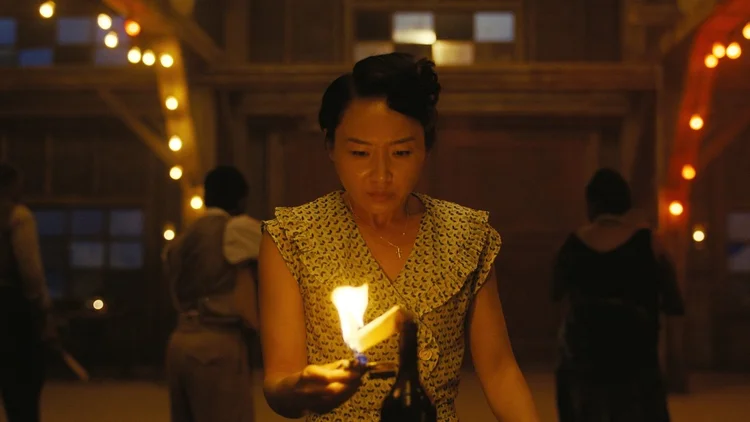
Li Jun Li, best known for her compelling work in The Sinner and Yellowjackets, has officially been cast in The Last of Us Season 3. While HBO has not confirmed her character, sources close to production indicate she’s being positioned for a major arc—one that could shift the balance of power in the remnants of Joel and Ellie’s world.
This isn’t just another casting headline. It’s a strategic move by showrunners Craig Mazin and Neil Druckmann to deepen the emotional complexity and narrative risk in the upcoming season. Li’s performance history suggests she’ll bring layered intensity and unpredictable humanity—qualities this show depends on.
Why Li Jun Li Fits The Last of Us’ DNA
The Last of Us has never been about action set pieces or zombie tropes. At its core, it’s a story about moral erosion, survival costs, and the people we become when society collapses. Li Jun Li’s breakout role in The Sinner as Detective Jamie Lopez showcased her ability to portray authority figures burdened by trauma and ethical ambiguity—exactly the kind of character this universe thrives on.
In Yellowjackets, she played Mistress Lee, a cult-like figure whose calm exterior masked psychological control and hidden agendas. That duality—nurturer and manipulator—is a hallmark of The Last of Us' most memorable figures, from David to Kathleen in Season 2.
What this suggests for her role in Season 3: - Likely a leader of a new community or faction - Could serve as ideological foil to Ellie - Potential ties to Fireflies or a splinter group - May challenge Joel’s choices through emotional logic, not brute force
HBO isn’t bringing in actors of Li’s caliber for background roles. Her casting signals that Season 3 will expand beyond revenge and into governance, ideology, and the price of rebuilding.
Season 3: What We Know (and What We Don’t)
While official plot details remain tightly guarded, leaks and industry reports paint a rough outline:
- Time Jump: Expect a significant jump post-Season 2’s finale. California’s quarantine zones have likely fractured further.
- New Geography: The story may shift toward the Pacific Northwest or inland settlements, opening space for fresh factions.
- Ellie’s Isolation: With Joel gone, she’s no longer protected by a father figure. Her trauma will force her into leadership—or self-destruction.
- The Fireflies’ Legacy: Rumors suggest underground cells still operate, evolving into something more militant or cultish.

Li Jun Li’s character could be at the center of that evolution. Imagine a former surgeon turned revolutionary, someone who believes Ellie holds symbolic value—or should be studied to end the Cordyceps threat. That kind of tension aligns with Li’s strengths: moral gray zones, quiet authority, and the ability to make manipulation feel like care.
How Casting Li Jun Li Changes the Show’s Trajectory
Past seasons leaned heavily on the relationship between Joel and Ellie. Season 3 must redefine that dynamic without sentimentality. Li’s presence suggests the story will pivot toward institutional collapse and what replaces it.
Consider this: The Last of Us Part III (if it ever comes) would explore a world where survival isn’t just about hiding from infected—but about choosing which version of humanity to preserve. Li’s character could represent one of those visions.
She’s proven she can command a scene without shouting—her confrontation with Melanie Lynskey in Yellowjackets was chilling in its stillness. That kind of presence could rival even Pedro Pascal’s gravitas.
Furthermore, Li brings diversity in casting that feels organic, not performative. The post-apocalypse wouldn’t erase identity—it would reshape how it functions. A Chinese-American leader in a fractured U.S. isn’t just inclusive; it’s realistic. Communities would coalesce around competence, not heritage. Her casting reflects that truth.
What Li Jun Li’s Role Might Be (Informed Speculation) Without spoilers or leaks, we can make educated guesses based on her past roles and the show’s direction.
Possible Character Type: The Ideologue
This isn’t about survival anymore. It’s about rebuilding. Li could play a leader who believes Ellie’s immunity is a tool—not a miracle. She might argue for controlled exposure trials or weaponizing the Cordyceps strain. Her calm demeanor would make these ideas seem rational, even noble.
Realistic Use Case: A scene where she calmly explains, “We lost millions to hesitation. One life weighed against millions—isn’t that the equation we’ve always avoided?”
This mirrors real-world ethical dilemmas in medical research and wartime decisions. It’s the kind of moral calculus The Last of Us excels at.
Possible Character Type: The Mentor Turned Antagonist
Imagine a Firefly remnant who once worked with Marlene. She sees Ellie as the next generation of their mission. At first, she’s kind, patient—offering shelter, knowledge, even maternal warmth. But as Ellie resists, the warmth hardens into coercion.
Compare this to David’s arc in Season 1—someone who starts as a savior and becomes a threat through belief, not malice. Li could deliver that same slow burn with even greater subtlety.
Common Mistake in Fan Casting Predictions
Most fans focus on game lore. But remember: The Last of Us TV series has already diverged significantly. Abby’s arc was softened. Joel’s death was recontextualized. Introducing a character not in the games isn’t just possible—it’s likely.
Don’t assume Li is playing someone from leaked Part II gameplay or concept art. She might be entirely new—designed to push the story into uncharted territory.

Behind the Scenes: Why This Casting Makes Sense
Mazin and Druckmann aren’t just hiring actors—they’re building a tone. The shift from Craig Mazin’s Chernobyl to The Last of Us shows a pattern: morally heavy narratives where decisions have irreversible consequences.
Li Jun Li fits that mold. Her performances are never about heroism or villainy. They’re about people doing what they believe is necessary.
- Production Workflow Tip: When building a character like this, the writers likely started with three questions:
- What does she want?
- What is she willing to sacrifice?
- How does she justify it?
Li’s track record suggests she’ll ask these questions in rehearsals, not just wait for direction. That kind of actor elevates everyone around them.
Additionally, her bilingual background (she speaks Mandarin) opens doors for worldbuilding. A settlement with Asian-American roots, possibly formed around a former research hospital or university, becomes plausible. Language, culture, and memory could play subtle but meaningful roles in dialogue and setting.
The Bigger Picture: What Season 3 Needs to Succeed After the divisive reception of Season 2’s ending, Season 3 has a challenge: honor the source material while evolving beyond it. Li Jun Li’s casting hints at how they plan to do it.
- Deeper Themes: Move from revenge to legacy, from trauma to transformation.
- New Conflicts: Not just physical threats, but ideological ones—what kind of world do we owe the next generation?
- Character Evolution: Ellie can’t just be angry. She has to become something—leader, teacher, or symbol.
Li’s character could be the mirror that forces Ellie to confront who she’s becoming. Not a boss fight, but a philosophical showdown.
Compare this to The Walking Dead’s later seasons, where power struggles between communities (Alexandria vs. The Saviors) lost emotional weight because the characters lacked personal stakes. The Last of Us can avoid that by tying ideology to intimacy—like Joel and Ellie’s bond.
Li’s role must feel personal, not political. That’s how this show stays grounded.
Closing the Loop: What’s Next
Li Jun Li joining The Last of Us isn’t just casting news. It’s a signal of intent. Season 3 will demand more from its audience—more empathy, more discomfort, more moral reflection.
Production is expected to begin in early 2025, with a late 2026 release window. Filming locations may include British Columbia and Oregon, continuing the show’s commitment to natural, overgrown landscapes that mirror internal decay.
For fans, the takeaway is clear: don’t expect rehashes. Expect evolution. Li Jun Li isn’t here to fill a quota or play a sidekick. She’s here to challenge everything Joel built—and everything Ellie believes.
The post-apocalypse isn’t just about surviving. It’s about deciding what survives in you.
Frequently Asked Questions
Will Li Jun Li play a character from The Last of Us games? Unlikely. The show has consistently introduced original characters (e.g., Kathleen). Her role is probably new, crafted for the series’ expanded narrative.
Is Season 3 confirmed? Yes. HBO officially renewed the series for Season 3 in 2024, with plans for future seasons depending on the story’s arc.
Could Li Jun Li be playing a younger version of Marlene? Possible, but improbable. Marlene’s story is largely complete, and Li is notably younger. A spiritual successor or protégé is more likely.
How does this affect Ellie’s character development? Significantly. Li’s character could serve as a dark reflection of Marlene—someone who believes sacrificing Ellie is justified, forcing Ellie to defend her right to exist.
Is there a trailer for Season 3 yet? No. Filming hasn’t started, so no footage is available. Expect teasers in late 2025 at the earliest.
Could Li Jun Li’s character be a love interest for Ellie? Too early to say. The show has shown openness to queer relationships, but her age and casting profile suggest a mentor or adversary role.
What makes Li Jun Li stand out among other cast additions? Her ability to blend authority with vulnerability—perfect for a world where leadership requires both brutality and compassion.
FAQ
What should you look for in The Last of Us Hires Yellowjackets Star to Join Season 3? Focus on relevance, practical value, and how well the solution matches real user intent.
Is The Last of Us Hires Yellowjackets Star to Join Season 3 suitable for beginners? That depends on the workflow, but a clear step-by-step approach usually makes it easier to start.
How do you compare options around The Last of Us Hires Yellowjackets Star to Join Season 3? Compare features, trust signals, limitations, pricing, and ease of implementation.
What mistakes should you avoid? Avoid generic choices, weak validation, and decisions based only on marketing claims.
What is the next best step? Shortlist the most relevant options, validate them quickly, and refine from real-world results.