Equipment failure doesn’t cause the majority of industrial injuries—procedures do. When machines aren’t properly de-energized before maintenance, the results can be catastrophic. The lockout tagout (LOTO) procedure isn’t just a regulatory checkbox; it’s a lifesaving system. And the foundation of an effective program? A clear, customizable lockout tagout procedures template. Without one, even well-trained teams risk missteps that lead to amputations, electrocution, or worse.
Yet most templates floating online are either too generic or overly complex—neither practical for day-to-day use nor compliant with OSHA 1910.147. This guide cuts through the noise. You’ll get a working template structure, common gaps in implementation, and real-world applications that make your LOTO program both auditable and actionable.
Why a Standardized LOTO Procedure Template Matters
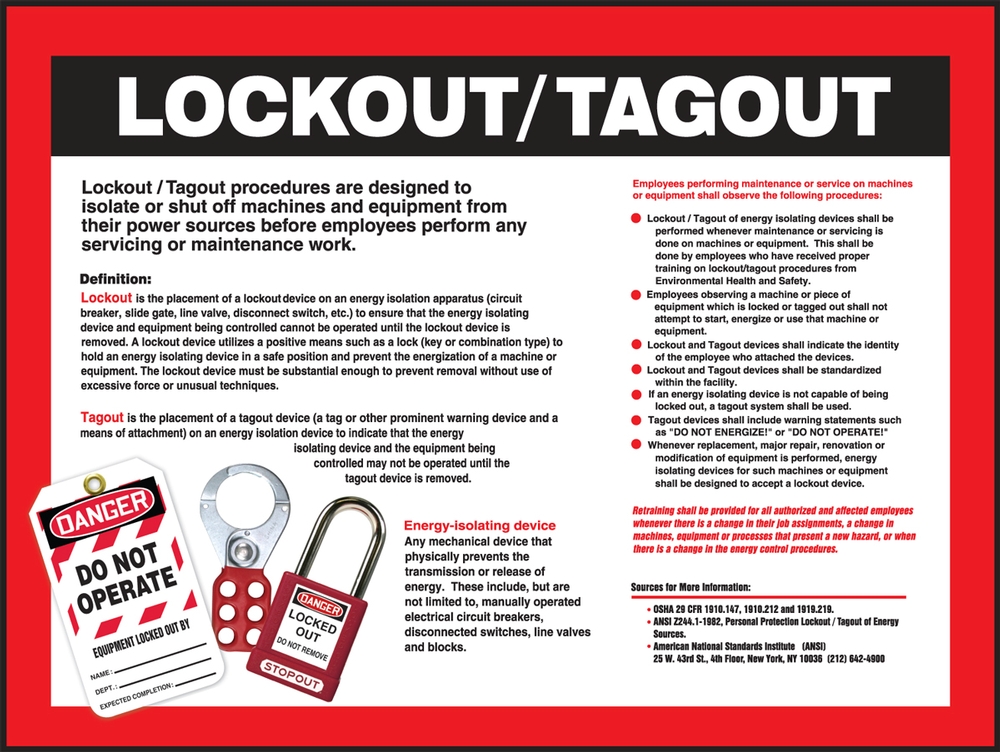
A lockout tagout procedures template isn’t about paperwork—it’s about predictability. Every time a technician services a conveyor belt, a press, or a chemical valve, they follow the same cognitive path: identify energy sources, isolate them, verify zero energy, and maintain control until work is complete.
Without a standardized template, variance creeps in. One shift locks out a motor at the disconnect; another assumes the control panel is sufficient. That inconsistency kills.
A strong template standardizes: - Energy source identification - Lock application points - Verification methods - Authorized personnel roles - Release and restart protocols
And it scales. Whether you operate a single facility or 50 sites, a uniform template reduces training time and audit risk.
Core Components of a Lockout Tagout Procedures Template
Every effective LOTO template includes these non-negotiable sections. Omitting any one increases liability.
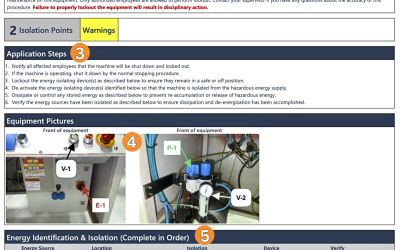
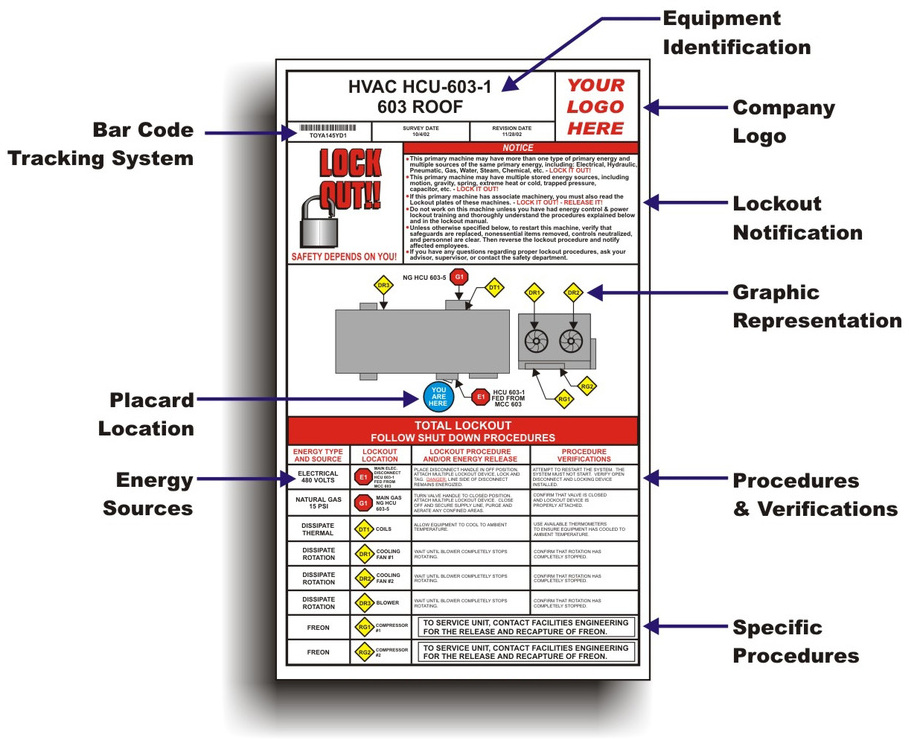
#### 1. Equipment Identification Clearly name the machine or system. Use standardized IDs (e.g., “Hydraulic Press #4” or “HVAC Chiller Unit B”). Attach diagrams or schematics if needed.
Example: A bakery failed an OSHA audit because their LOTO form listed “oven” instead of “Conveyor Bake Oven – Line 3.” Ambiguity voided the procedure.
#### 2. Energy Sources List every potential energy source: - Electrical (primary and secondary) - Pneumatic or hydraulic pressure - Gravitational (e.g., raised parts) - Chemical or thermal - Capacitors or stored energy
Be specific. “120V power feed at motor starter” beats “electrical.”
- #### 3. Shutdown Steps Chronological shutdown instructions:
- Notify affected employees
- Stop equipment via normal controls
- Open disconnects or shut-off valves
- Drain lines, bleed lines, or block parts
Avoid vague terms like “turn off.” Use action verbs: “Open breaker,” “Close isolating valve,” “Depressurize line.”
#### 4. Isolation and Lock Application Pinpoint exact lockout points: - Circuit breaker location - Valve lockout hasp - Energy-isolating device ID
List the number of locks applied and who applies them. Include tag details: name, date, department, reason.
#### 5. Verification of Zero Energy This is where most templates fail. They assume isolation equals safety. But verification is the legal and operational core.
Your template must require: - Attempt to start the machine (after confirming no one is near) - Use of voltage testers, pressure gauges, or bleed-down checks - Confirmation by the authorized employee
Tip: Require two forms of verification for high-risk systems. For example, test voltage and attempt a start cycle.
#### 6. Release and Restart Outline the steps to safely return the system to service: - Remove tools and guards - Notify affected employees - Verify area is clear - Remove locks only by the person who applied them - Restore energy in sequence
Never allow group lockout releases without a formal checklist and supervisor sign-off.
Real-World LOTO Template Application: A Case Study
A Midwest auto parts plant used a one-size-fits-all LOTO form for all 18 presses. During a die change, a technician locked out only the main power disconnect. He didn’t realize the hydraulic accumulator still held 2,000 psi.
When he began disassembly, the ram dropped. The injury wasn’t fatal—but it was entirely preventable.
Their fix? A revised lockout tagout procedures template with equipment-specific annexes. For each press, they added: - Accumulator bleed-down valves - Secondary mechanical supports - Dual verification (pressure gauge + physical inspection)
Within six months, near-misses dropped 70%. Audits found no LOTO violations for the first time in five years.
Common Mistakes in LOTO Templates (And How to Fix Them)
Even compliant templates break down in practice. Here’s where most fail—and how to correct them:
#### Mistake 1: One Template for All Machines Risk: Overlooks unique energy sources. Fix: Use a master template but require machine-specific addendums. Include fields for diagrams or photos.
#### Mistake 2: No Verification Protocol Risk: Assumption of safety without testing. Fix: Mandate a “test for zero energy” step with required tools (e.g., “Use CAT III multimeter to confirm 0V at terminal block”).
#### Mistake 3: Allowing Tag-Only Procedures Without Justification Risk: Tags can be ignored; locks physically prevent activation. Fix: Only allow tag-only if lockout is impossible (per OSHA). Document why, and implement an alternative protection plan.
#### Mistake 4: Skipping Group Lockout Clarity Risk: Multiple workers, one lockout leader, no accountability. Fix: Use a group lockout checklist. Each worker applies their own lock. The coordinator verifies all are clear before final release.
#### Mistake 5: No Review or Update Schedule Risk: Outdated procedures for modified equipment. Fix: Add a “Last Reviewed” field. Require annual audits and post-maintenance updates.
Template Design: Format That Works in the Field
A LOTO procedure must be usable under stress. Not every template format works.
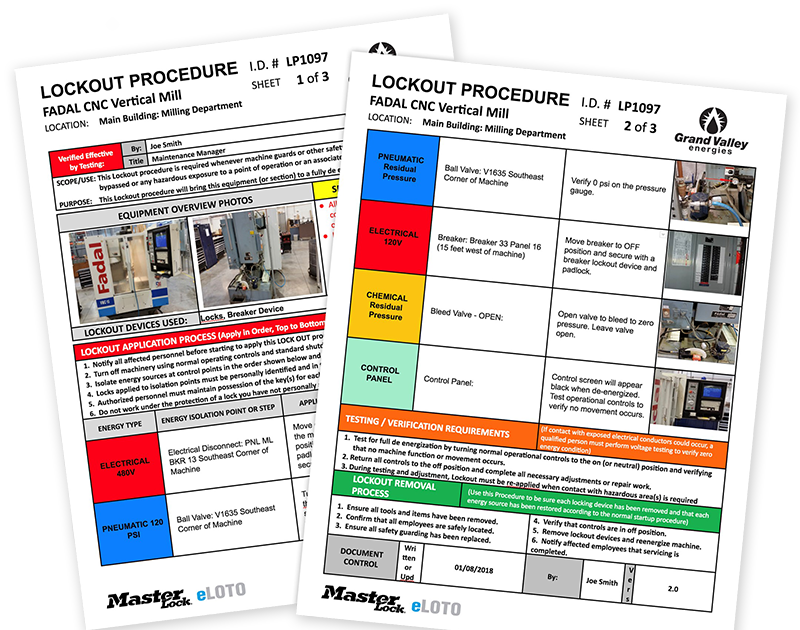
#### Recommended Format: One-Page, Visual, Durable - Print on water-resistant paper - Use icons for energy types (⚡ for electrical, 💨 for pneumatic) - Leave space for handwritten verification checks - Include QR codes linking to machine diagrams or training videos
Avoid digital-only systems unless tablets are available at every workpoint. Paper copies in lockout stations are still the most reliable.
#### Structure Example:
[Equipment: Conveyor Mixer #2] [Site: Plant B – Mixing Bay]
- SHUTDOWN
- □ Notify maintenance team □ Stop via E-stop button □ Open disconnect switch (ID: DS-207)
- ENERGY SOURCES
- - Electrical: 480V main feed
- - Mechanical: Rotating drum (locked with pin)
- - Pneumatic: Feed valve (closed, bled)
- LOCK APPLICATION
- □ Apply lock to DS-207 (Lock #L203) □ Install tag: “Do Not Operate – J. Rivera, 05/15”
- VERIFY ZERO ENERGY
- □ Test voltage: ______ V (should be 0) □ Attempt start: No movement □ Confirm bleed valve released pressure
- RESTART
- □ Remove tools □ All personnel clear □ Unlock by J. Rivera only □ Restore power and test run
5 Tools to Support Your LOTO Template Implementation
Even the best template needs support. These tools bridge the gap between policy and practice.
| Tool | Purpose | Best For |
|---|---|---|
| Brady LOTO Station Kits | Organize locks, tags, hasps | High-volume facilities |
| ProCam SafetySuite | Digital LOTO with mobile forms | Companies with tablet access |
| GHS Label Printers | Print custom tags on-site | Multi-lingual teams |
| Lockout Hasp Kits | Enable group lockout | Maintenance crews |
| Training DVDs/Modules (J. J. Keller) | Standardize employee onboarding | New hire programs |
Digital tools help—but only if they’re used consistently. Many plants fail by adopting apps without enforcing compliance. Start with paper, prove adherence, then consider digitization.
Making Your Template OSHA-Ready
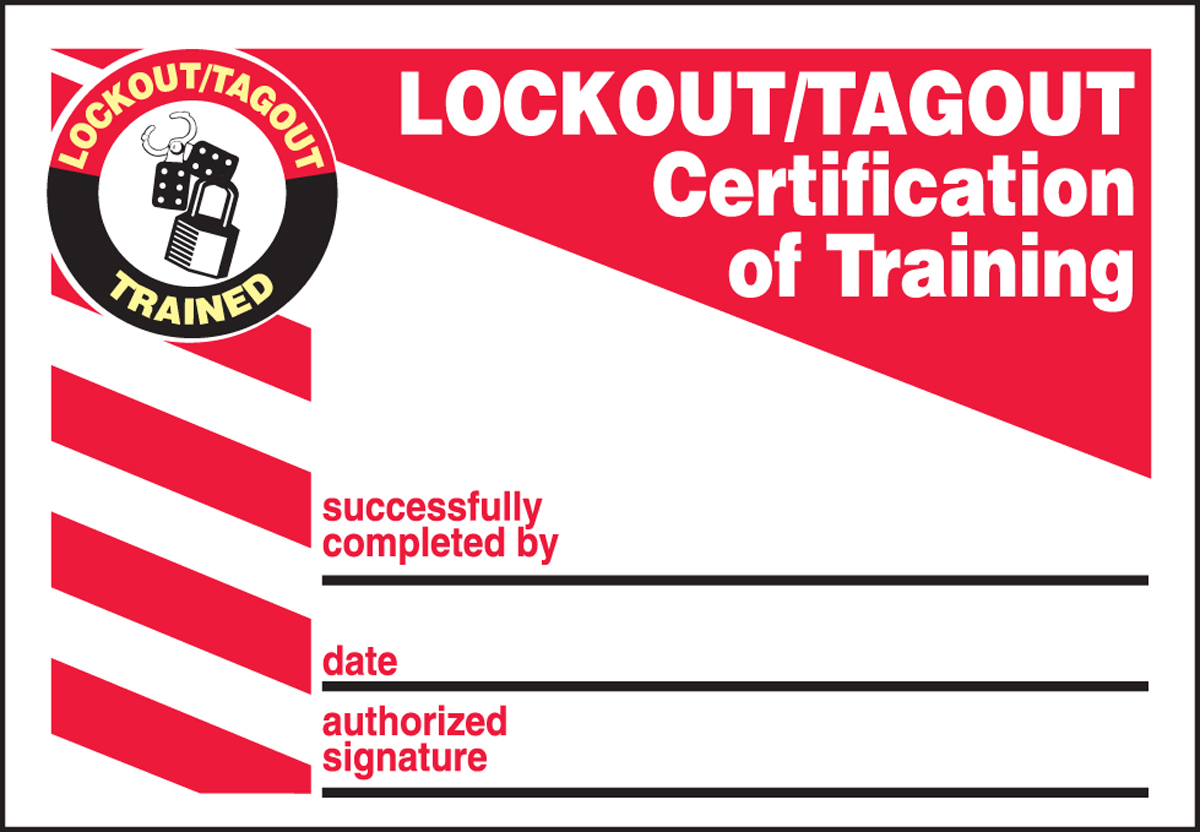
OSHA doesn’t mandate a specific template format—but it does require documented procedures for each machine. Your template must prove you’ve addressed: - Machine-specific hazards - Authorized vs. affected employee roles - Periodic inspections (at least annually) - Employee training records
During an audit, expect to produce: - Completed LOTO forms - Training logs - Inspection reports - Equipment-specific procedures
A well-designed template makes these easy to generate. Include fields for inspector initials, review dates, and training verification.
Finalize, Test, and Iterate
- Don’t treat your lockout tagout procedures template as static. Roll it out in phases:
- Pilot on three high-risk machines
- Gather feedback from technicians
- Adjust language for clarity
- Train all authorized employees
- Conduct surprise audits
Revise the template every 12 months—or immediately after an incident, near-miss, or equipment change.
The best templates aren’t perfect. They’re practical, visible, and trusted by the people using them.
Start today: pull your current LOTO form. Does it answer every question a technician might have in a crisis? If not, rebuild it using this framework. Safety isn’t just compliance—it’s culture. And culture starts with clear, reliable procedures.
FAQ
What should you look for in Lockout Tagout Procedures Template Guide for Safety Teams? Focus on relevance, practical value, and how well the solution matches real user intent.
Is Lockout Tagout Procedures Template Guide for Safety Teams suitable for beginners? That depends on the workflow, but a clear step-by-step approach usually makes it easier to start.
How do you compare options around Lockout Tagout Procedures Template Guide for Safety Teams? Compare features, trust signals, limitations, pricing, and ease of implementation.
What mistakes should you avoid? Avoid generic choices, weak validation, and decisions based only on marketing claims.
What is the next best step? Shortlist the most relevant options, validate them quickly, and refine from real-world results.