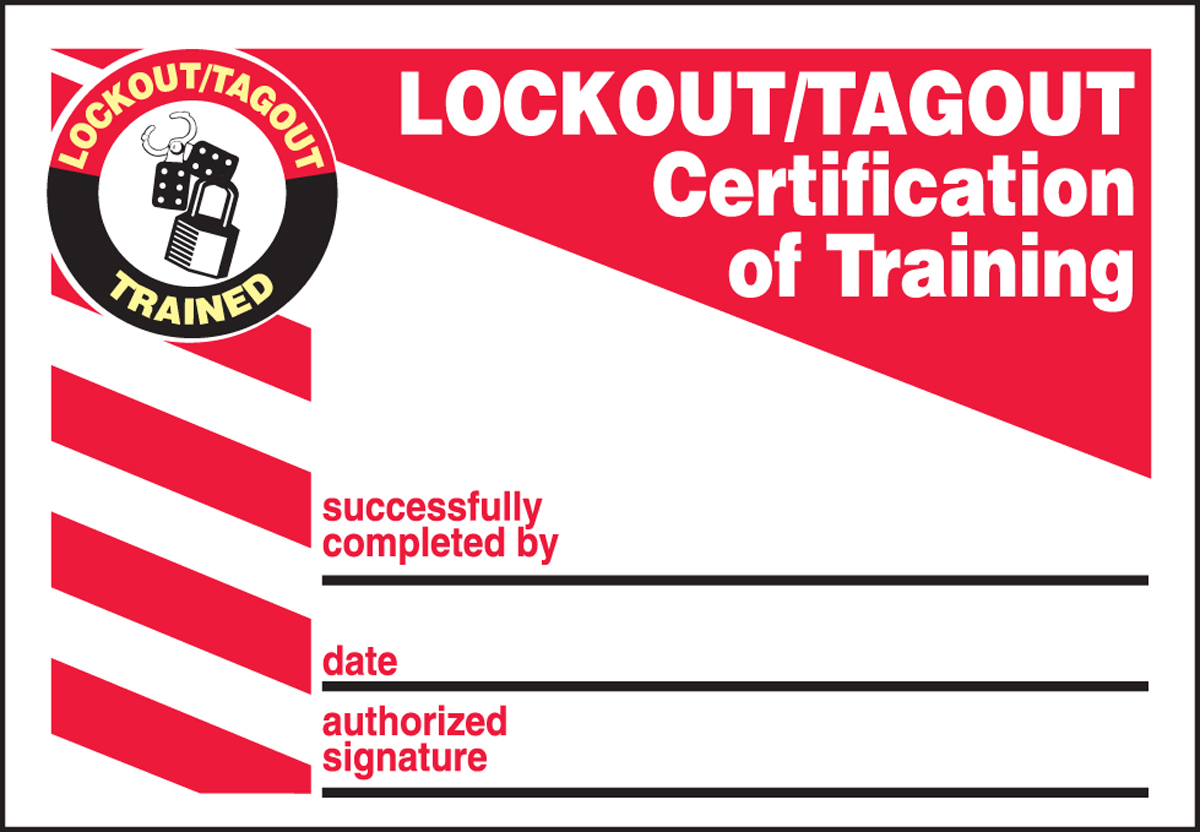
In facilities across manufacturing, utilities, and maintenance, the sudden release of hazardous energy kills and injures hundreds each year. The solution? A reliable lockout tagout (LOTO) program. But even the best safety strategies fall short without proper training—especially when that training isn’t accessible, consistent, or actionable. That’s where printable lockout tagout training materials come in.
Unlike flashy digital modules that require internet access or specialized devices, printable LOTO training tools deliver consistent, hands-on instruction. They’re ideal for team huddles, refresher sessions, and audits—anywhere clarity and compliance matter most. This guide reveals how to use printable LOTO training effectively, what to include, and where to find the best templates.
Why Printable Lockout Tagout Training Matters
Digital training has its place, but in workshops, substations, and production floors, paper-based resources often work better. Workers can tape them to control panels, annotate procedures during walkthroughs, or keep them in toolkits. This physical presence reinforces safety habits in ways emails and intranet links can’t.
Printable LOTO training is especially valuable for: - Onboarding temporary or contract workers - Reinforcing procedures during routine maintenance - Providing quick reference during equipment outages - Meeting OSHA documentation requirements
OSHA’s 29 CFR 1910.147 mandates that all employees receive LOTO training at least annually. The regulation doesn’t specify format—only that training must be documented, understood, and applied. Printable materials meet these criteria while offering unmatched flexibility.
“We used to rely on a shared drive for LOTO procedures. After two near-misses during shift changes, we switched to laminated printouts at each machine. Training retention improved dramatically.” — Facility Manager, Midwestern Auto Plant
Core Components of Effective Printable LOTO Training
A high-impact printable training package isn’t just forms slapped together. It should guide users from understanding to execution. Below are the essential elements and why they matter.
1. LOTO Policy Overview (1-Page Summary)
Start with a single-page document explaining the company’s lockout tagout policy. This should include: - Purpose of LOTO - Key roles (authorized vs. affected employees) - Required steps in the energy control process - Consequences of non-compliance
Keep it simple. Use bullet points, icons, and bold headers. This sheet is often the first thing new hires read.
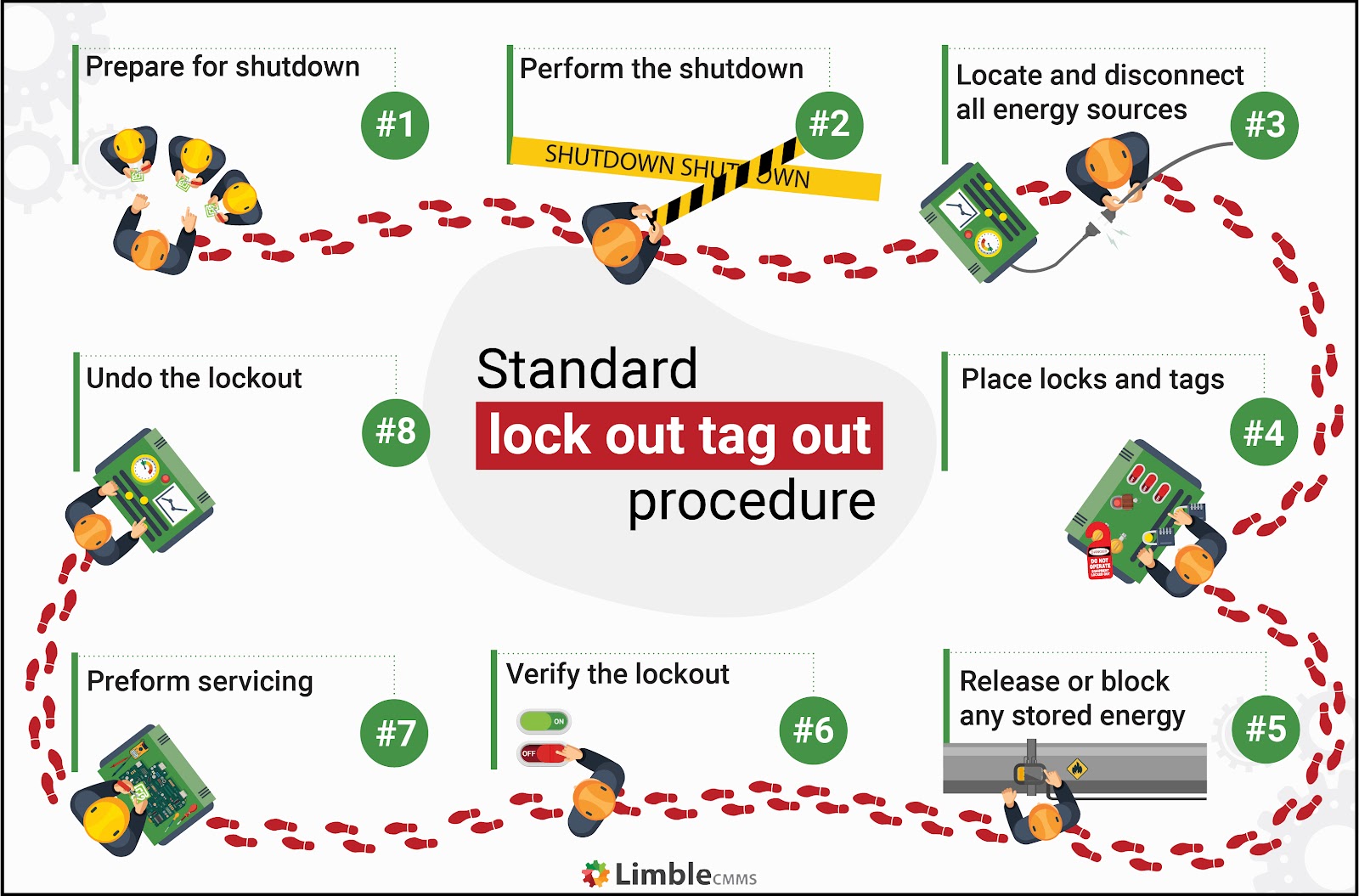
2. Step-by-Step Energy Control Procedure
- Break down the OSHA-mandated sequence into visual steps. For example:
- Notify affected employees
- Shut down equipment
- Isolate energy sources (electrical, pneumatic, hydraulic, etc.)
- Apply locks and tags
- Release stored energy
- Verify isolation (zero energy check)
Use numbered checklists with space for signatures. This turns theory into action.
3. Equipment-Specific LOTO Instructions
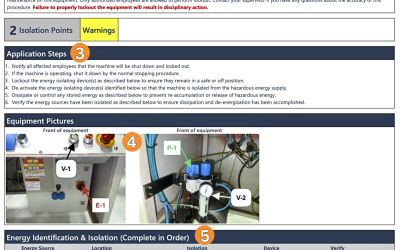
One-size-fits-all doesn’t work in LOTO. Printables should include machine-specific sheets with diagrams showing: - Energy isolation points - Lock placement - Tag content requirements
For instance, a conveyor system might require three lock points: main motor disconnect, drive coupling, and control panel. A printable template can map each with photos or rough sketches.
4. Lockout Tagout Forms & Logs
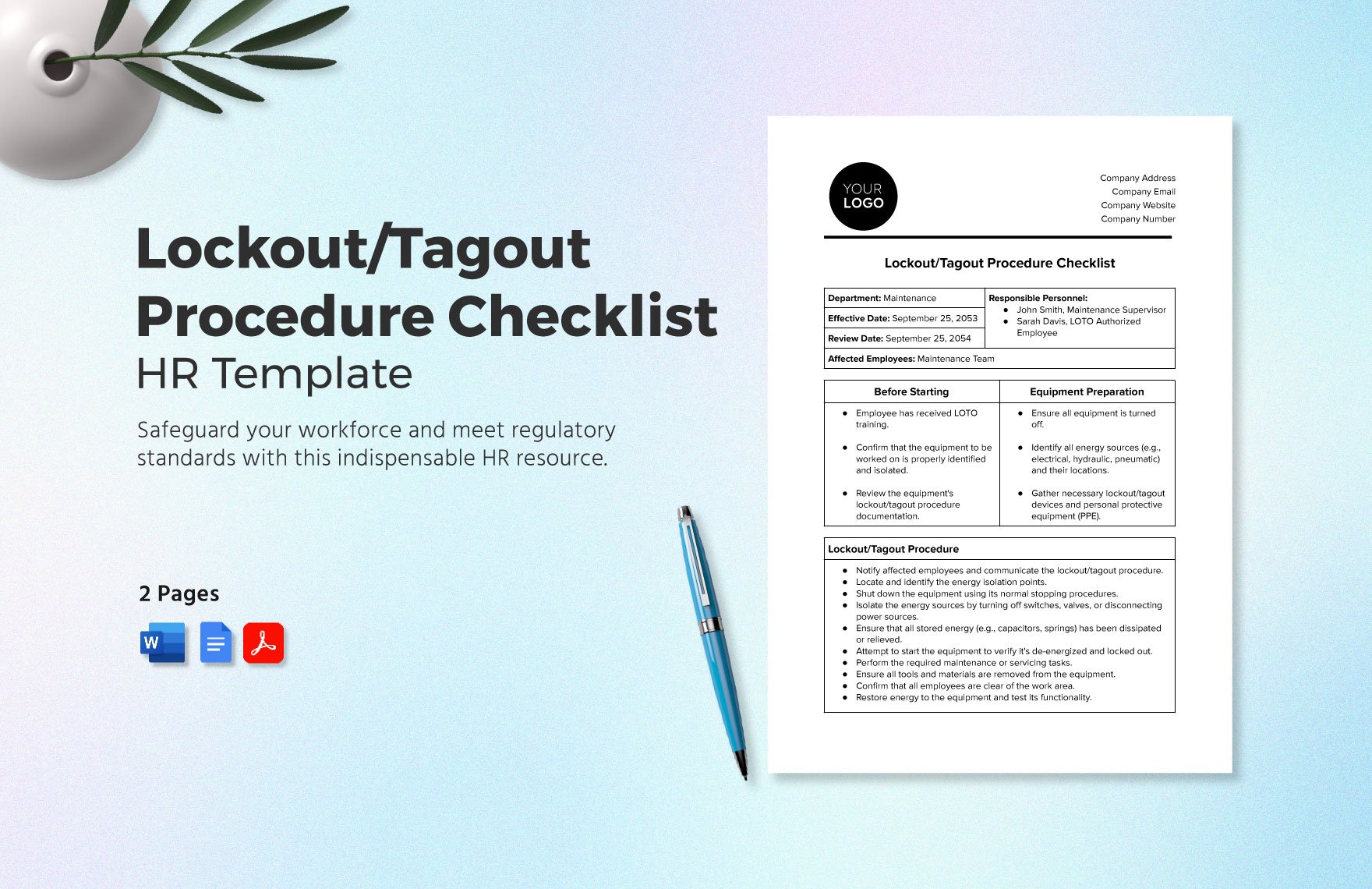
Include fillable forms for: - Lockout initiation logs - Group lockout sheets - Tag replacement records - Training sign-off sheets
These serve dual purposes: they’re training tools and audit-ready documentation.
5. Visual Aids and Infographics
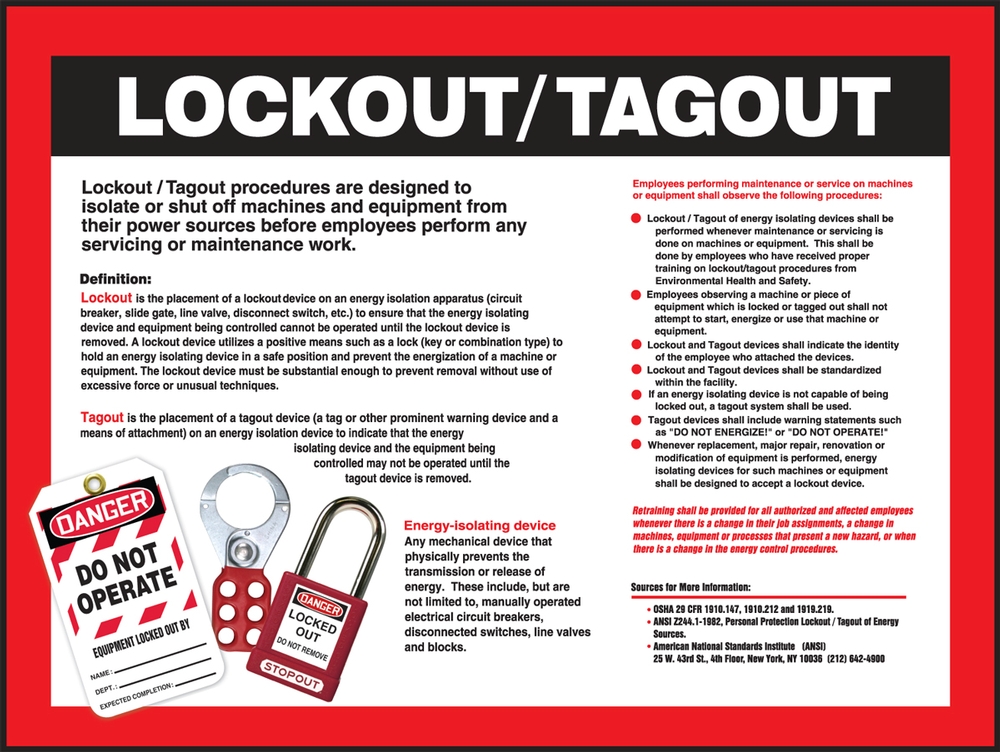
A well-designed flowchart or color-coded diagram sticks better than paragraphs of text. Use visuals to illustrate scenarios like: - What happens during improper lockout - The difference between tagout and lockout - How a group lockout box works
These are ideal for posting near high-risk equipment.
Common Mistakes in Printable LOTO Training
Even with printables, companies get it wrong. Here are recurring pitfalls and how to avoid them.
Mistake 1: Using Generic Templates
Off-the-shelf templates rarely match real-world equipment. A boiler system in a chemical plant has different isolation needs than a CNC lathe. Customize printables for each machine or system.
Fix: Conduct a machine-specific hazard assessment and update templates accordingly.
Mistake 2: One-Time Distribution
Handing out a packet once and calling it “training” violates OSHA standards. LOTO procedures evolve, and so should training.
Fix: Schedule quarterly refresher sessions using updated printables. Collect signed acknowledgment sheets each time.
Mistake 3: Ignoring Affected Employees
Only authorized employees apply locks, but affected employees (e.g., operators) must understand the process. Too often, printables skip their perspective.
Fix: Add a simplified version for non-authorized staff—focusing on recognition, notification, and verification.
Mistake 4: No Language or Literacy Consideration
In multilingual workforces, English-only printables create gaps. Low-literacy workers may struggle with complex wording.
Fix: Use pictograms, multilingual labels, and simple language. Test readability with a 6th-grade level standard.
5 Top Sources for Printable Lockout Tagout Training Materials
You don’t have to build everything from scratch. These five sources offer reliable, customizable printable LOTO training tools:
| Resource | Key Features | Best For |
|---|---|---|
| OSHA.gov | Free official guides, checklists, and compliance directives | Foundational templates, regulatory alignment |
| Grainger | Pre-designed LOTO kits with tags, forms, and training handouts | Quick deployment, industrial settings |
| SafetySign.com | Industry-specific printable bundles (electrical, mechanical, HVAC) | Customization, visual clarity |
| Creative Safety Supply | Digital downloads with editable PDFs and infographics | Teams needing branding or multilingual support |
| NIOSH Workplace Solutions | Free, research-backed handouts with diagrams | High-risk environments (chemical, energy) |
While some are free, others offer premium customization. Choose based on your facility’s scale, industry, and compliance needs.
How to Implement Printable LOTO Training: A 5-Step Workflow
Adopting printable LOTO training isn’t just about printing documents. It’s about integrating them into daily operations.
Step 1: Audit Your Current LOTO Program Review existing procedures, training records, and incident reports. Identify gaps in documentation or understanding.
Step 2: Customize Templates Select a template source and adapt it to your machinery. Add site photos, lock locations, and contact info for safety leads.
Step 3: Train in Context Don’t train in a conference room. Gather the team at the actual machine. Use the printables as live guides during a mock lockout.
Step 4: Distribute and Display Provide each authorized employee with a printed packet. Post key visuals near isolation points.
Step 5: Audit and Update Every 6–12 months, review procedures. Replace worn printables. Update for equipment changes or near-misses.
Pro Tip: Laminate high-traffic sheets and mount them in weatherproof enclosures. Add a QR code linking to the digital version for updates.
Real-World Use Cases
Case 1: Water Treatment Plant A municipal facility struggled with inconsistent LOTO during pump maintenance. They introduced color-coded, laminated printouts for each pump station, showing isolation valves and lock points. Within six months, LOTO compliance rose from 68% to 96% in audits.
Case 2: Food Processing Line
After a conveyor entanglement incident, a plant redesigned its LOTO training using pictogram-heavy printables. They translated them into Spanish and Mixteco. Training completion jumped from 72% to 99%, and zero energy verification became standard.
Case 3: University Research Lab Lab technicians were skipping lockout on small equipment, assuming it was “low risk.” Printable quick-reference cards were posted next to centrifuges and autoclaves, emphasizing stored energy hazards. Incident reports dropped by 80% over two years.
Limitations and How to Overcome Them
Printable training isn’t perfect. Here’s what to watch for:
- Static Content: Paper doesn’t update itself. Establish a revision schedule (e.g., every 12 months or after incidents).
- Loss or Damage: Laminating helps, but keep digital backups. Store master copies securely.
- Complacency: Workers may treat printables as routine clutter. Reinforce them through drills and supervisor checks.
- Limited Interactivity: Unlike e-learning, printables can’t quiz users. Pair them with verbal assessments or sign-off quizzes.
Use printables as part of a layered training strategy—not the only tool.
Final Thoughts: Make Safety Stick
Printable lockout tagout training isn’t about cutting corners. It’s about making safety tangible. When a worker can hold a checklist, circle a lock point, and sign their name, the procedure becomes real.
The best LOTO programs blend human accountability with practical resources. Choose or create printables that reflect your equipment, culture, and risks. Update them regularly. Place them where they’ll be seen and used.
Compliance isn’t just about passing an audit. It’s about ensuring every employee goes home safe. Start with a single printed page—then build a culture that runs on clarity, not chance.
Frequently Asked Questions
What is printable lockout tagout training? It’s physical training material—such as checklists, forms, and diagrams—that guides employees through proper lockout tagout procedures in compliance with OSHA standards.
Are printable LOTO materials OSHA-compliant? Yes, as long as they cover required elements like procedure steps, employee roles, and verification methods—and are used as part of documented training.
Can I use free templates from OSHA? Yes. OSHA provides free LOTO templates and guidance documents that can be customized for your workplace.
How often should printable training be updated? Annually, or whenever equipment changes, incidents occur, or procedures are revised. Always keep master copies dated and controlled.
Should every machine have its own printable LOTO sheet? Yes. Equipment-specific instructions are essential for effective lockout. Generic procedures increase the risk of error.
Who should receive printable LOTO training? All authorized employees (who perform lockout) and affected employees (who operate or use equipment) must be trained.
Can printable materials replace digital training? They can complement or replace digital training if they’re comprehensive, accessible, and part of a documented program. A blended approach often works best.
FAQ
What should you look for in Printable Lockout Tagout Training for Workplace Safety? Focus on relevance, practical value, and how well the solution matches real user intent.
Is Printable Lockout Tagout Training for Workplace Safety suitable for beginners? That depends on the workflow, but a clear step-by-step approach usually makes it easier to start.
How do you compare options around Printable Lockout Tagout Training for Workplace Safety? Compare features, trust signals, limitations, pricing, and ease of implementation.
What mistakes should you avoid? Avoid generic choices, weak validation, and decisions based only on marketing claims.
What is the next best step? Shortlist the most relevant options, validate them quickly, and refine from real-world results.