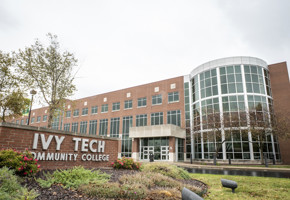
Across Indiana’s industrial corridors, rural communities, and growing suburbs, access to practical, affordable education shapes economic mobility. That’s where Ivy Tech Community College becomes more than just a name—it’s a network. With campuses in over 70 communities and regional centers stretching from Fort Wayne to Evansville, Ivy Tech locations in Indiana deliver workforce-aligned training, associate degrees, and career certifications tailored to real regional needs.
For Hoosiers balancing work, family, and education, proximity matters. So does program relevance. This guide maps out the Ivy Tech footprint—not just where the campuses are, but how each location serves its community with distinct offerings, support services, and industry partnerships.
Why Ivy Tech’s Statewide Presence Matters
Indiana’s economy runs on manufacturing, healthcare, logistics, and technology. Ivy Tech aligns its education model with those drivers. Instead of a one-size-fits-all approach, each campus tailors programs based on local employment data. The result? A welder in Kokomo trains on equipment used at nearby GM plants. A nursing student in South Bend completes clinicals at Memorial Hospital. An IT student in Indianapolis earns certifications in demand at Salesforce and Infosys.
The statewide spread ensures that no matter where you live—urban, suburban, or rural—there’s likely an Ivy Tech location within reach. And for those who can’t commute, hybrid or fully online options integrate seamlessly with on-campus resources.
This isn’t just higher education. It’s hyper-localized workforce development.
Major Ivy Tech Campuses in Indiana
While Ivy Tech operates in more than 40 counties, several campuses serve as regional hubs with expanded facilities, labs, and academic tracks. These locations offer the full breadth of programs and student services.
#### Indianapolis (Indianapolis Campus) As the largest campus, Indianapolis hosts flagship programs in advanced manufacturing, cybersecurity, nursing, and aviation technology. The campus features simulation labs, a student-run dental clinic, and partnerships with Eli Lilly, IU Health, and the Indianapolis Airport Authority.
Practical Example: Students in the Aviation Maintenance program train at the nearby Indianapolis International Airport, gaining FAA-certified experience while still enrolled.
#### Fort Wayne (Northeast Campus) Serving Allen County and surrounding areas, this campus emphasizes engineering tech, biotechnology, and robotics. The Advanced Manufacturing Training Center offers hands-on CNC machining and automation labs, feeding talent directly into companies like Steel Dynamics and Buehler.
Common Mistake: Prospective students often overlook the free academic advising sessions—attending one early can clarify credit transfers and help avoid taking unnecessary courses.
#### South Bend (South Bend Campus) Located near the Indiana-Michigan border, this campus is a hub for healthcare training. With high-demand programs in nursing, radiologic technology, and surgical technology, students benefit from clinical rotations at area hospitals and clinics.
Tip: Apply early for nursing tracks—seats fill quickly, and waiting lists can delay entry by a full semester.
#### Evansville (Evansville Campus) This campus leads in energy, logistics, and process technology. Its proximity to the Ohio River and major rail lines makes it ideal for students pursuing careers in supply chain management or industrial maintenance.
Realistic Use Case: A warehouse supervisor completes the Supply Chain & Logistics certificate part-time while working nights, using tuition assistance from his employer.
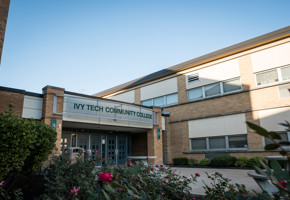
#### Lafayette (Tippecanoe Valley Campus) Serving Tippecanoe and surrounding counties, this location emphasizes agriculture tech, precision farming, and automation. With Purdue University nearby, Ivy Tech students often transfer credits or collaborate on applied research projects.
Limitation: While lab space is robust, enrollment caps exist in high-demand labs. Register as soon as eligibility is confirmed.
Smaller Centers and Satellite Locations
Not every student needs a full-service campus. Ivy Tech operates Learning Centers and regional sites in smaller communities, offering essential courses, advising, and testing services. These locations keep education accessible without requiring long commutes. Examples include:
- Terre Haute West Central – Focus on general education courses and GED prep
- Muncie – Strong in teacher preparatory programs and IT fundamentals
- Gary – Career training in HVAC, electrical, and medical assisting
- Jasper – Manufacturing and CNC training aligned with local employers
- Marion – Nursing and public safety programs for rural healthcare needs
These centers often partner with local high schools for dual credit programs, allowing students to earn college credits before graduation. They also host workforce boot camps—like 12-week IT support training—that lead directly to hiring pipelines.
Workflow Tip: Use the Ivy Tech campus finder tool online. Filter by program, location, and class format (in-person, hybrid, online) to find exactly what you need.
How to Choose the Right Ivy Tech Location for You
Enrolling isn’t just about geography. It’s about fit.
Ask these questions before selecting a campus:
- Does this location offer my intended program with lab access?
- Not all campuses run every specialization. For example, dental hygiene is only available at select sites like Indianapolis and Fort Wayne.
- What are the class times and formats?
- Rural centers may offer fewer evening or weekend sections. If you work full-time, confirm availability before committing.
- Are support services on-site?
- Tutoring, career counseling, and childcare referrals vary. Larger campuses typically offer more robust support.
- Is there employer engagement in the area?
- Campuses with strong local ties—like Columbus or Columbus—often host job fairs and direct hiring events with regional companies.
Example: A student in Bloomington wants to enter cybersecurity. While Ivy Tech Bloomington offers intro courses, the full certification track is in Indianapolis. Solution: Start locally, then transition to hybrid or online delivery for advanced modules.
Programs Offered by Region: A Practical Overview
Ivy Tech customizes program availability to match labor market demands. Here’s how offerings break down across key regions:
| Region | Top Programs | Industry Partners |
|---|---|---|
| Central (Indianapolis, Brownsburg) | Nursing, IT, Business, Aviation | IU Health, Salesforce, Indianapolis Airport |
| Northeast (Fort Wayne, Auburn) | Advanced Manufacturing, Engineering Tech, Biotech | Steel Dynamics, Zimmer Biomet |
| Northwest (Gary, Valparaiso) | HVAC, Electrical, Medical Assisting | NIPSCO, Community Healthcare |
| Southwest (Evansville, Vincennes) | Process Tech, Logistics, Energy | Vectren, FedEx Ground |
| South Central (Bloomington, Columbus) | Education, IT Support, General Studies | Indiana University, Cummins |
| Southeast (Jennings, Scottsburg) | Welding, Public Safety, Healthcare | Dearborn County Hospital, Faurecia |
This regional alignment increases job placement rates. Graduates aren’t just trained—they’re pipeline-ready.
Enrolling at an Ivy Tech Location: What to Know
The process is straightforward but requires attention to detail.
- Apply for Admission
- Complete the free online application at ivytech.edu. No SAT or ACT required.
- Submit Transcripts
- High school diploma or GED needed. Transfer students must send college transcripts.
- Take the College Readiness Assessment
- Most students take Accuplacer or submit SAT/ACT scores to place into college-level math and English. Preparation resources are free on the Ivy Tech website.
- Meet with an Advisor
- Mandatory before first enrollment. Advisors help build a term-by-term plan aligned with your goals.
- Register for Classes
- Use MyIvy portal. Early registration increases chances of securing preferred times and formats.
- Apply for Financial Aid
- Complete the FAFSA. Indiana residents may qualify for the Frank O’Bannon Grant, covering a significant portion of tuition.
Common Mistake: Waiting until the week before classes start to register. High-demand courses—especially in healthcare and tech—fill quickly. Aim to complete steps 1–5 at least four weeks in advance.
Online and Hybrid Options: Flexibility Without Sacrificing Support
While physical locations matter, Ivy Tech’s digital infrastructure ensures flexibility. Over 200 courses are available fully online, including full associate degrees in Business, IT, and Early Childhood Development.
Hybrid programs blend online learning with on-site labs. For example:
- Nursing (ADN): Theory online, clinicals at local hospitals coordinated through campus advisors
- Automotive Technology: Online coursework, in-person lab sessions at authorized centers
- Cybersecurity: Virtual labs, remote proctored exams, optional on-campus workshops
Students enrolled online still access campus resources—tutoring, library services, career coaching—regardless of location. You don’t have to be local to get local support.
Final Thoughts: Making Ivy Tech Work for Your Goals
Ivy Tech locations in Indiana aren’t just classrooms—they’re launchpads. Whether you’re entering the workforce for the first time, switching careers, or upgrading skills, the right campus can connect you to training, credentials, and employers nearby.
Start by identifying your goal: a six-month certificate, an associate degree, or transfer pathways to a four-year school. Then use Ivy Tech’s program finder to locate where that path is strongest. Visit the campus, talk to advisors, and attend an info session if possible.
Education that fits your life—and leads to real jobs—is within reach. With locations across Indiana, Ivy Tech makes it practical, affordable, and aligned with what employers need.
Take the next step today: Find your nearest campus, explore its programs, and enroll in a future built on skills, not debt.
Frequently Asked Questions
Are Ivy Tech campuses open on weekends? Some campuses offer weekend classes, especially in high-demand programs like nursing or business. Check the local campus schedule online.
Can I take classes at multiple Ivy Tech locations? Yes. Students can register for courses across campuses or online, depending on program requirements and availability.
Do all locations offer financial aid assistance? Yes. Every campus and major center has financial aid advisors to help with FAFSA, grants, and payment plans.
Is parking free at Ivy Tech campuses? Most campuses offer free student parking. Some urban locations may have limited spots—arrive early or check for shuttles.
Can I visit a campus before enrolling? Absolutely. Campus tours and info sessions are available by appointment or during open house events.
Are there childcare services at Ivy Tech locations? Limited childcare resources exist at select campuses, such as Indianapolis. Many students use state-subsidized childcare programs in conjunction with enrollment.
Do Ivy Tech credits transfer to four-year colleges? Yes. Through the statewide Transfer General Education Core (TGE), credits transfer seamlessly to most Indiana public universities.
FAQ
What should you look for in Ivy Tech Locations in Indiana: Campuses, Programs & Access? Focus on relevance, practical value, and how well the solution matches real user intent.
Is Ivy Tech Locations in Indiana: Campuses, Programs & Access suitable for beginners? That depends on the workflow, but a clear step-by-step approach usually makes it easier to start.
How do you compare options around Ivy Tech Locations in Indiana: Campuses, Programs & Access? Compare features, trust signals, limitations, pricing, and ease of implementation.
What mistakes should you avoid? Avoid generic choices, weak validation, and decisions based only on marketing claims.
What is the next best step? Shortlist the most relevant options, validate them quickly, and refine from real-world results.