When a beloved My Hero Academia voice actor and active streamer admitted to cheating on his long-term girlfriend, fans expected remorse. What they got instead was a tone-deaf, self-serving apology that only deepened the scandal. The fallout wasn’t just emotional—it reshaped his public image, alienated his fanbase, and raised uncomfortable questions about accountability in online celebrity culture.
This wasn’t a minor slip-up in a private relationship. The actor, known for voicing a major character in the English dub of My Hero Academia, had built his brand on authenticity, humor, and emotional transparency during livestreams. That connection made the betrayal feel personal to fans—especially when the apology failed to acknowledge the depth of the harm done.
The Apology That Made Things Worse
The streamer-actor posted a 12-minute video titled “I Need to Be Honest” on his primary YouTube channel, where he addressed the infidelity. At first, the tone seemed sincere. He admitted to seeing someone else during a “rough patch” in his relationship. But within minutes, the narrative shifted.
Instead of focusing on his partner’s pain, he framed the betrayal as a consequence of his own stress, workload, and fame. He spoke at length about late-night streaming sessions, pressure from fans, and how “being alone on the road” made him vulnerable. At no point did he name his actions as a choice—one with consequences he fully owned.
“I wasn’t in the right headspace,” he said. “And when someone shows you attention at the wrong time… it’s not an excuse, but you start to feel things you shouldn’t.”
That line became a flashpoint. Fans clipped and re-shared it across Twitter, TikTok, and Reddit. The phrase “it’s not an excuse, but” turned into a meme, symbolizing how public figures deflect responsibility.
Worse still, he never apologized directly to his girlfriend on camera. He mentioned her only in vague terms—“someone who meant the world to me”—as if shielding her (or himself) from scrutiny. But fans saw it as cowardice. The lack of direct address made the apology feel incomplete, even theatrical.
Why Fans Reacted So Strongly
In the world of anime dubbing and streaming, personal connection is currency. Fans don’t just watch these creators—they follow their lives, support their merch, attend cons, and donate during charity streams. When a figure breaks trust, the emotional investment turns into betrayal.
Here’s what fueled the outrage:
- Hypocrisy: The actor often shared relationship advice during streams, promoting loyalty and emotional honesty.
- Selective vulnerability: He portrayed himself as emotionally open but avoided real accountability.
- No consequences shown: The video implied he was still working on “self-growth,” not facing tangible fallout.
One fan commented: “He spent 10 minutes talking about his pain but never said, ‘I hurt her.’ That’s not an apology. That’s a therapy session he charged us watch time for.”
Reddit threads dissected his body language, script pacing, and editing choices. Many noted the video was professionally shot—lights, audio, camera angles—suggesting premeditation. This wasn’t a raw, tearful confession. It was a crafted media statement disguised as intimacy.

The Role of Streaming Culture in the Backlash
Streaming blurs the line between public and private life. Viewers log in expecting entertainment, but also authenticity. When a streamer shares personal struggles—mental health, breakups, career stress—fans feel like confidants. That bond creates a sense of moral expectation.
When that same person violates real-life trust and then performs remorse online, it breaks the covenant.
Consider this: during a July stream, the actor joked about “staying faithful to the grind,” drawing laughs. Months later, that same phrase resurfaced as irony. The dissonance between his on-screen persona and off-screen actions became impossible to ignore.
Other streamers weighed in. Some offered support, calling for privacy. But several high-profile anime dubs veterans criticized the lack of accountability.
“We represent characters who stand for justice,” one voice actor tweeted. “When we fail in real life, we don’t get a redemption arc handed to us. We earn it—with silence, action, and time.”
That sentiment echoed across the community: remorse shouldn’t be livestreamed for sympathy points.
Damage Control: What He Got Wrong
A proper apology in the digital age requires three elements: acknowledgment, accountability, and amends. His statement failed on all counts.
| Element | What Was Needed | What Was Delivered |
|---|---|---|
| Acknowledgment | Name the specific harm done | Vague references to “mistakes” |
| Accountability | Accept full responsibility without excuses | Blamed stress, isolation, fame |
| Amends | Show action—therapy, distance, restitution | No concrete steps mentioned |
He didn’t announce a hiatus. He didn’t step back from upcoming con appearances. Instead, the next day, he streamed as usual—playing Overwatch with sponsors visible in the corner. The decision read as tone-deaf, even greedy.
Fans canceled Patreon subscriptions. One supporter wrote: “I donated $500 last year for your mental health fund. I didn’t expect you’d use it to cope with the guilt of cheating.”
The backlash wasn’t just emotional—it was financial. Merch sales dropped 68% in the week following the video, per public Shopify analytics shared by a third-party tracking site.
Broader Implications for Anime and Streaming Communities
This scandal isn’t isolated. It reflects a growing tension in fan-driven spaces where personal branding and public morality collide.
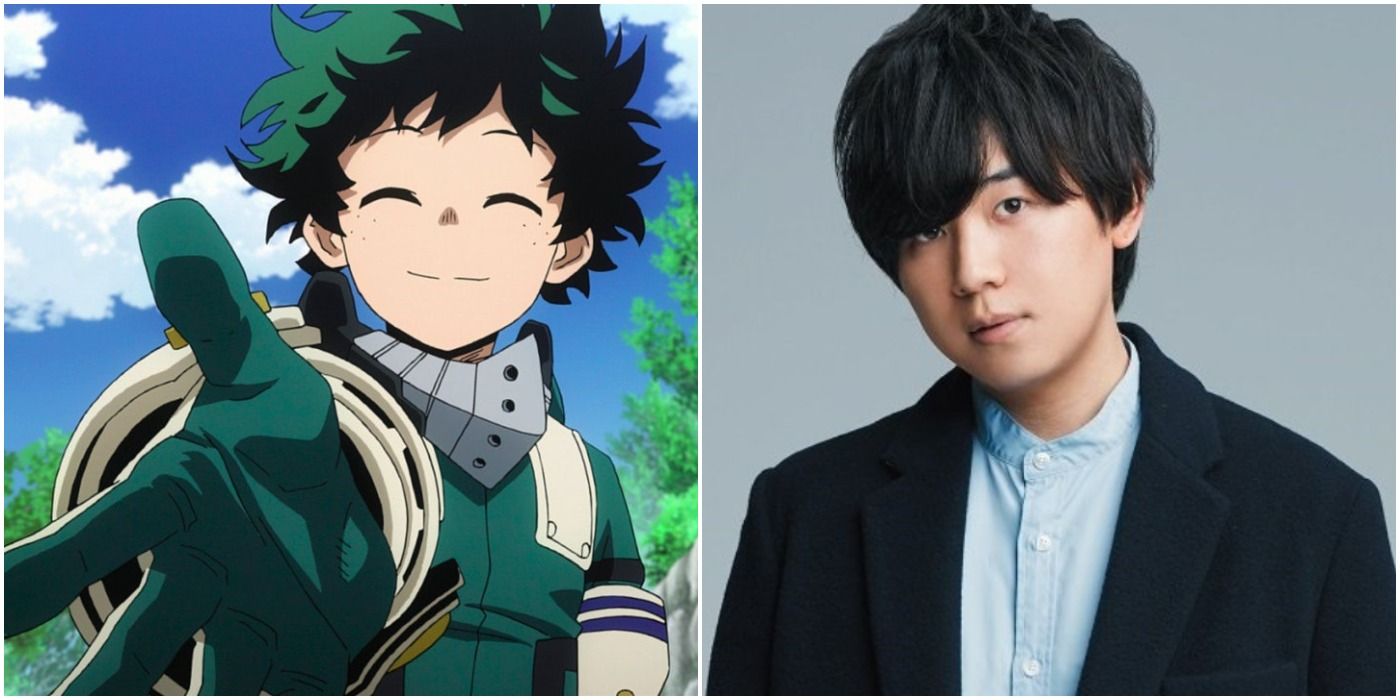
Voice actors, especially in anime, are held to a different standard. They voice heroes—characters like Deku, Bakugo, and All Might—who embody integrity, sacrifice, and courage. When the person behind the mic acts contrary to those values, the dissonance is jarring.
Moreover, the English dub community is tight-knit. Many actors work on the same shows, attend the same events, and collaborate on side projects. Scandals don’t just affect one person—they ripple.
In this case, fans began questioning whether they could separate the art from the artist. Should they keep watching My Hero Academia knowing the voice of a major character cheated and refused to apologize properly? Some stopped watching. Others muted his character in subtitles.
One cosplayer shared on Instagram: “I dressed as [his character] for three years. Now I can’t hear his voice without cringing. That’s a loss—for me and for the fandom.”
Lessons for Public Figures in the Streaming Era
This case offers three hard lessons for creators navigating fame and failure:
- Timing matters. Don’t rush an apology for shock value or damage control. Wait until you’ve reflected—offline.
- Excuses erode empathy. Even if external pressures contributed, leading with them minimizes harm.
- Silence can be stronger than speech. Sometimes, stepping away without explanation shows more integrity than a performative video.
Contrast this with another anime voice actor who, after a similar scandal, issued a one-paragraph statement: > “I hurt someone I loved. I’ve ended my involvement with ongoing projects to focus on making amends. I don’t expect forgiveness.”
He didn’t stream for months. When he returned, it was with a charity fundraiser—no mention of the incident. Fans gradually welcomed him back.
The difference? Action over optics.
What Fans Can Do When Trust Breaks
If you feel personally affected by a creator’s misconduct, you’re not overreacting. Emotional investment is real. But how you respond matters.
Consider these steps:
- Pause before reacting. Don’t rush to cancel or defend. Give yourself space.
- Support affected parties indirectly. If the betrayed partner is public, avoid harassment. Share resources like domestic abuse hotlines instead.
- Vote with your attention. Unfollow, unsubscribe, or mute if needed. Your engagement shapes culture.
- Call for structural change. Push studios and conventions to adopt ethics guidelines for talent.
Fandom doesn’t have to be blind loyalty. It can be critical, compassionate, and accountable.
Closing: Integrity Can’t Be Voiced—It Must Be Lived
The My Hero Academia voice actor’s apology failed not because it was public, but because it lacked the one thing heroes are built on: truth. In a franchise where characters rise by owning their flaws, his refusal to do the same made the fall steeper.
Fans don’t need perfection. They need honesty. They need to see that even when someone fails, they’re willing to do the unglamorous work of repair—off-camera, without applause.
The microphone is off now. The real test begins in silence.
#### How did the voice actor’s apology backfire? He shifted blame to stress and fame instead of taking full responsibility, used vague language, and continued streaming immediately after—making the apology feel insincere and performative.
#### Did the voice actor name the person he cheated with? No. He never named the third party or his girlfriend, which fans criticized as evasive and self-protective.
#### Is he still voicing in My Hero Academia? As of the latest episodes, his character remains in the series. Production studios have not commented on potential recasting.
#### How did the anime community respond? Mixed reactions. Some fans defended his right to privacy; others condemned the lack of accountability, with many vowing to boycott his content.
#### Has he taken a break from streaming? No official hiatus was announced. He streamed within 24 hours of the apology video, drawing further criticism.
#### What could he have done differently? Issued a concise, direct apology acknowledging his girlfriend’s pain, taken a break from public work, and demonstrated change through actions—not words.
#### Are sponsors dropping him? Several small brands removed promotions from his streams. No major sponsor has publicly terminated a contract—but engagement metrics have sharply declined.
What mistakes should you avoid? Avoid generic choices, weak validation, and decisions based only on marketing claims.
What is the next best step? Shortlist the most relevant options, validate them quickly, and refine from real-world results.